The morning sun can be welcome in the kitchen and far too bright in a bedroom. Smart blinds give you a simple way to manage that difference without walking from room to room or reaching over furniture. With the right system, your blinds can be raised, lowered or tilted at the touch of a button, on a timer, or through a compatible home control system.
For many households, the appeal is not about adding technology for its own sake. It is about making everyday light control easier, improving privacy when it is needed, and helping rooms feel more comfortable throughout the day. The best choice depends on the window, the room and how you want to use it.
What are smart blinds?
Smart blinds are window blinds fitted with a motor and a control method. Instead of using a cord, chain or wand alone, you can operate them with a remote control, wall switch, app or voice-controlled home system, depending on the product selected.
They can be programmed to move at set times too. A bedroom blind might open gradually in the morning, while a living room blind could close before the low evening sun reaches the television. Some systems can work with routines that you already use for lighting or heating.
Smart does not have to mean complicated. A straightforward remote-controlled blind may be exactly right for a home where convenience is the main priority. More connected options suit people who enjoy automation or want to control blinds while they are away from home.
Where smart blinds make the biggest difference
The value of smart blinds is usually clearest in rooms where opening and closing blinds is awkward, frequent or time-sensitive. In a single room with one easy-to-reach window, a manually operated blind can still be a sensible and cost-effective choice. In other spaces, motorisation can make daily life noticeably easier.
Bedrooms and children’s rooms
Blackout blinds are a popular choice for bedrooms, particularly where early daylight affects sleep. Setting a blind to close in the evening and open at a chosen time can make the room easier to manage without disturbing anyone. For children’s rooms, cordless motorised operation can also reduce the need for accessible control chains.
The fabric and fit still matter as much as the motor. If you want a darker room, gaps around the edge of the blind and light coming through the top of the window should be considered during the measuring stage.
Conservatories, garden rooms and sunny living spaces
Large glazed areas can change temperature quickly as the sun moves round. Smart blinds allow you to react to glare and bright sunshine without interrupting work, meals or time spent relaxing. Timed operation can also be useful if a room gets direct sun at a predictable point each day.
However, blinds are not a replacement for good ventilation or suitable glazing. They can reduce glare and help manage how a room feels, but the result will depend on the size, direction and construction of the space.
High, wide and difficult-to-reach windows
Windows above stairways, behind sofas or across bi-fold doors are often the strongest case for motorised operation. A blind may be perfectly practical once fitted, but inconvenient to operate by hand every day. With smart controls, those windows become far more useful rather than being left in one position for weeks at a time.
Wide windows can also benefit from an appropriately specified motor. It is important that the blind system is designed for the size and weight of the finished product, rather than treating automation as an afterthought.
Choosing the right way to control your blinds
There is no single best control option. The right one is the one your household will actually use.
A remote control is simple and familiar, making it a good choice for customers who want convenient operation without relying on a phone or Wi-Fi connection. A wall-mounted switch can be useful by doors or beside a bed, especially when several blinds are operated together.
App-controlled blinds offer flexibility, including timers and operation while you are away. They may suit a home with an existing smart-home setup, but they do depend on compatible equipment and a reliable connection. Voice control can be handy when your hands are full, although it should be viewed as an extra convenience rather than the only way to operate the blind.
Think about who uses the room as well. A simple remote may be more practical in a guest room, while scheduled controls may be ideal for a busy family home. There is little benefit in choosing every available feature if a smaller, easier-to-use system meets the need.
Power options and practical considerations
Smart blinds are commonly powered by batteries, rechargeable battery packs or mains electricity. Each approach has advantages.
Battery-powered options can be less disruptive to install because there may be no need for electrical work near the window. They are often well suited to individual blinds and rooms where wiring would be difficult. The trade-off is that batteries need replacing or recharging, with the frequency depending on the blind size and how often it is used.
Rechargeable systems reduce the need for disposable batteries, although they still need occasional charging. Some can be charged in place, while others use a removable pack. It is worth discussing access before choosing, particularly for high windows.
Mains-powered blinds can be a strong option for new builds, extensions and larger projects, where cables can be planned before decorating is complete. They can provide dependable power for regularly used blinds, but installation needs to be considered at the right stage. Retrofitting wiring after a room is finished can add cost and disruption.
Why made-to-measure fitting matters with smart blinds
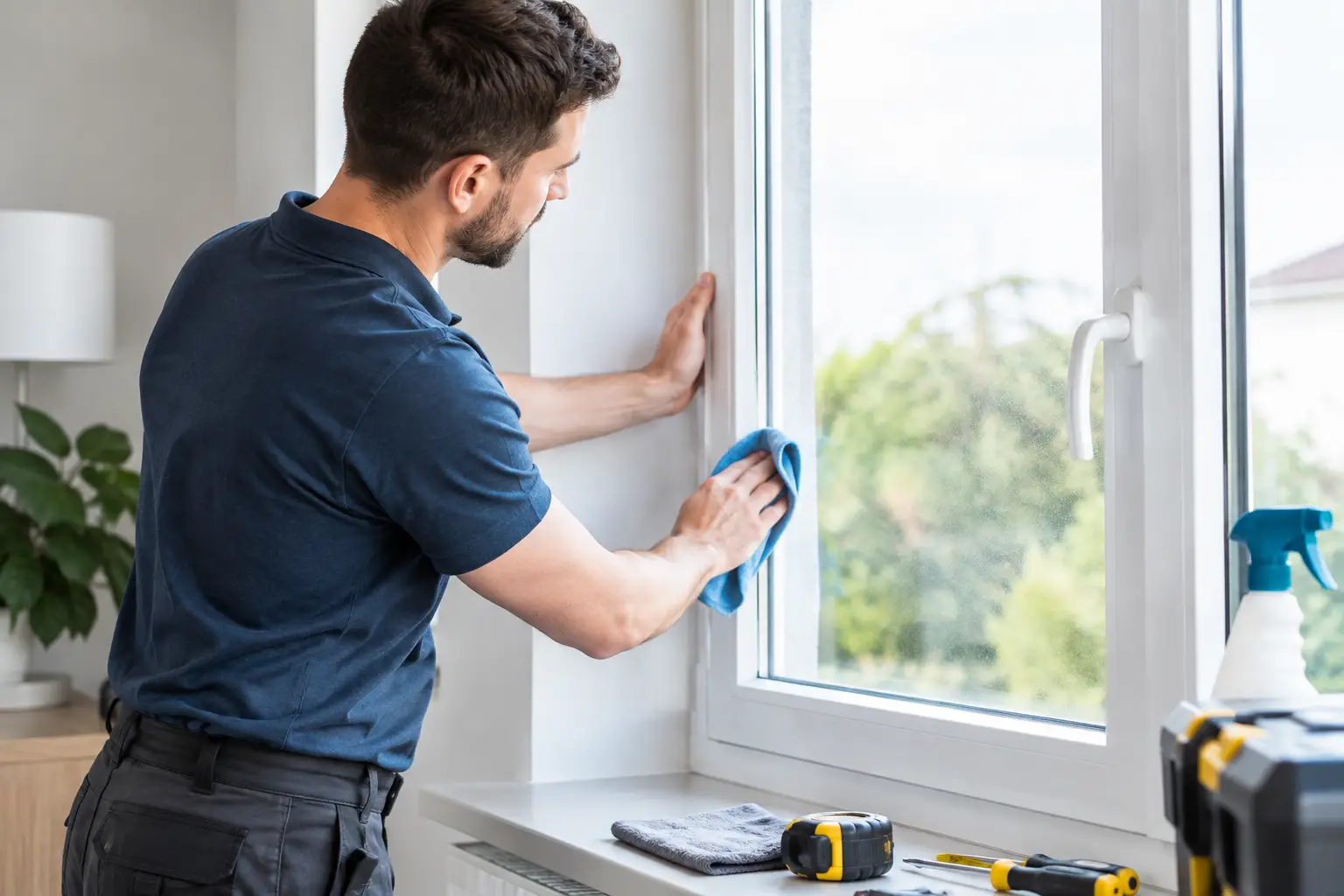
A motorised system will only perform as well as the blind itself. Accurate measuring is essential for smooth operation, correct coverage and a neat appearance. This is especially true for recess windows, shaped areas, doors and multiple blinds that need to sit evenly alongside one another.
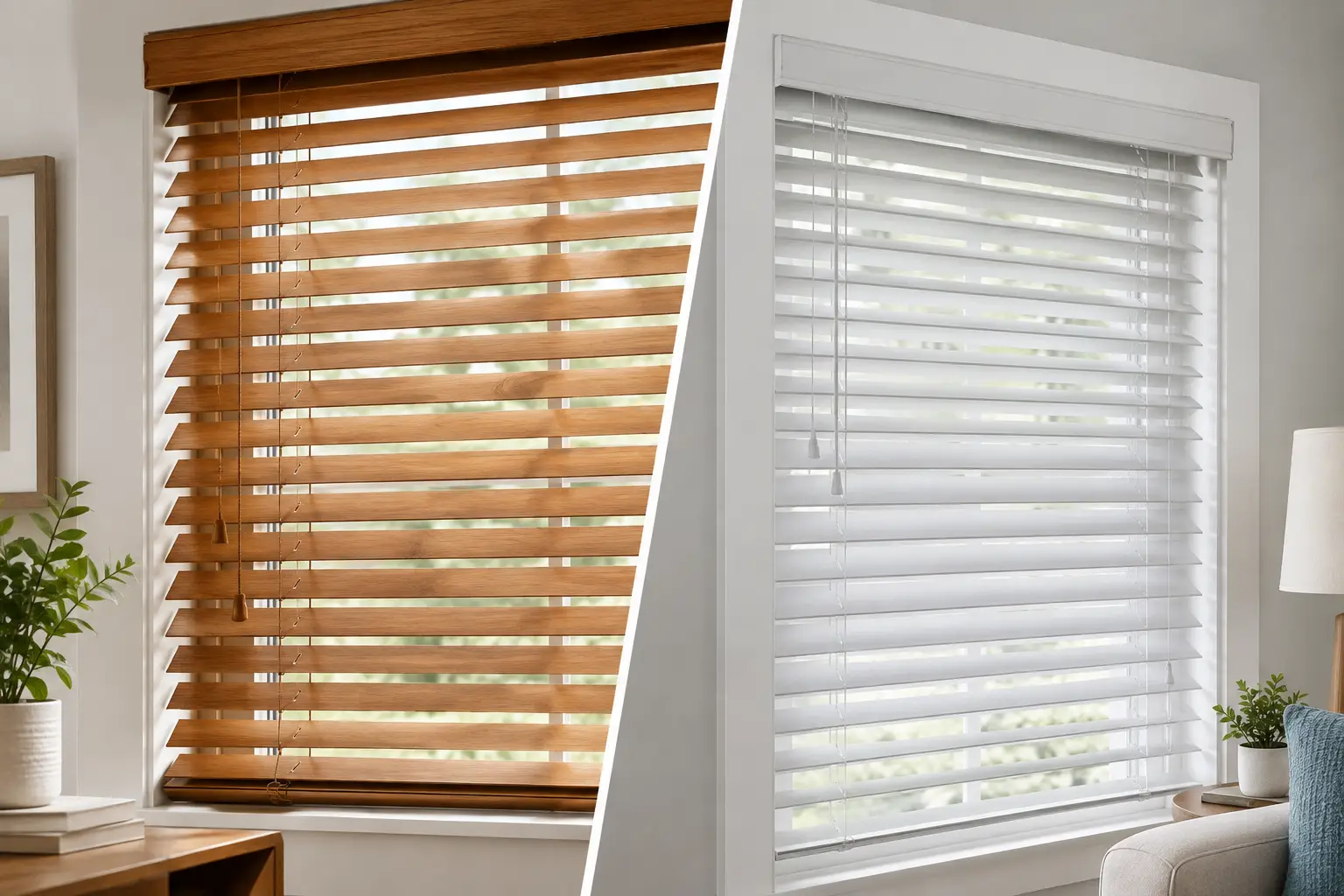
The product type should suit the window too. Roller blinds are often a practical option for straightforward light control and blackout fabrics. Venetian blinds can offer adjustable privacy and light direction. Perfect Fit blinds are designed to sit neatly within certain window and door frames, making them useful where drilling into the frame or loose operation is a concern. The most suitable choice depends on the window, how it opens and the finish you want.
Professional fitting also means the controls can be positioned thoughtfully. A wall switch needs to be easy to reach, and a rechargeable battery pack needs to remain accessible. These small details are easy to miss with an off-the-shelf purchase, yet they affect how convenient the finished blind feels every day.
Questions to ask before you decide
Before selecting smart blinds, consider what problem you want them to solve. Is glare the issue, privacy at certain times, difficult access, or a wish to create a calmer morning and evening routine? Your answer will help determine whether a simple motor and remote is enough or whether connected controls are worthwhile.
It is also useful to consider the long term. Ask how the blind will be powered, what maintenance it needs, whether it can be operated manually if required, and how the controls will work if your broadband is unavailable. If several blinds are in the same room, decide whether you want them to move individually or together.
For homes in Neath, Swansea, Port Talbot, Bridgend and Ammanford, an in-home measuring appointment gives you the chance to see which options genuinely suit your windows rather than choosing from a screen. Premier Welsh Blinds can help you compare styles, operation and practical fitting requirements, then provide a clear quotation before any work is arranged.
Smart blinds should make a room easier to live in, not give you another system to think about. Start with the moments when your current blinds are hardest to use, then choose a made-to-measure solution that makes those moments simpler.