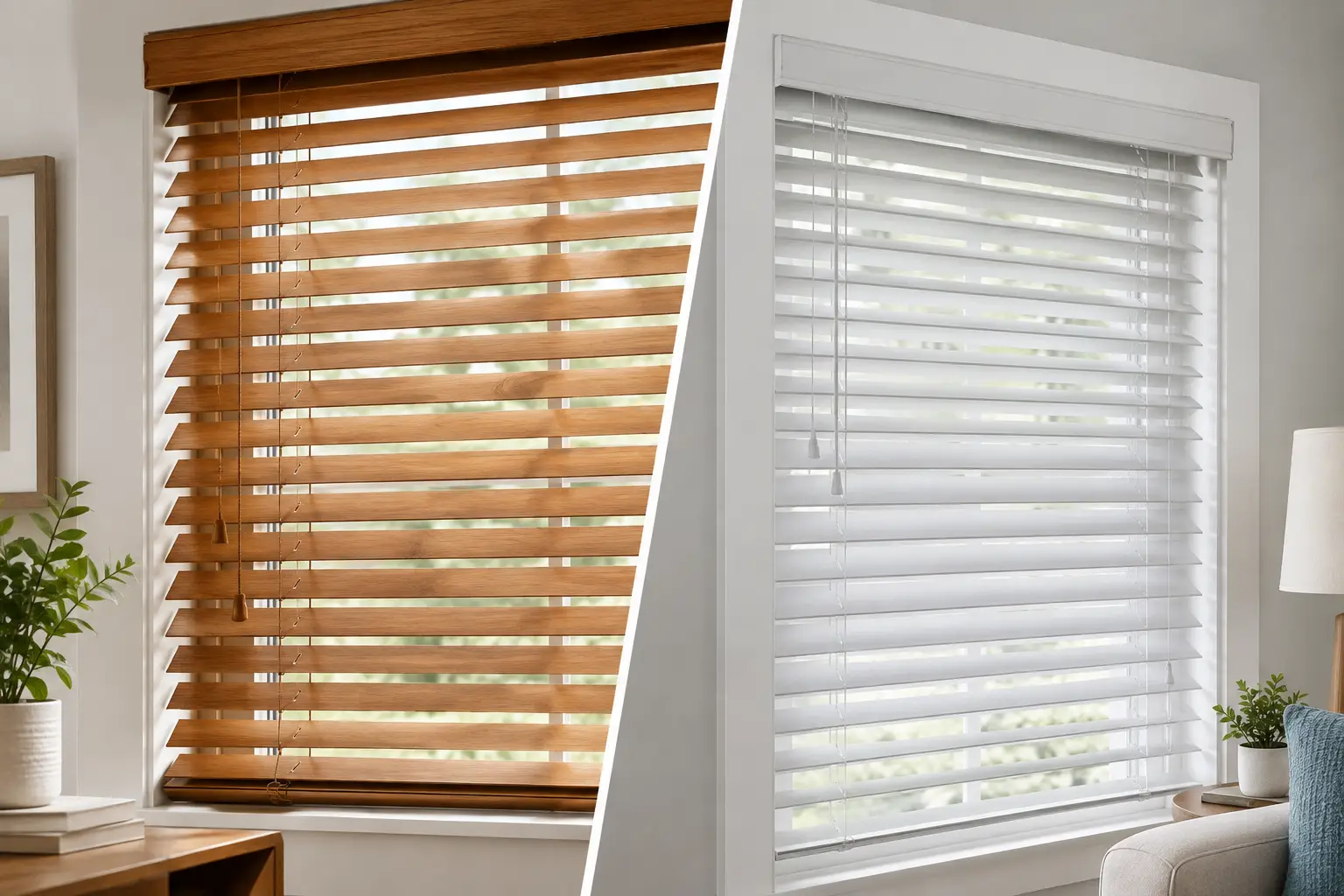
A blind can make a bright room comfortable, give a street-facing window the privacy it needs, or finish a newly decorated space properly. With so many blind styles available, the best choice is rarely just about colour. It comes down to how you use the room, the shape of the window, how much light you want to manage and how simple you want everyday operation to be.
Made-to-measure blinds take the uncertainty out of the process. Instead of trying to make an off-the-shelf size work, your blinds are selected and fitted around your windows, doors and lifestyle. Here is a practical way to narrow down the options.
Start with what the room needs
Before choosing a material or finish, think about the job the blind needs to do. A bedroom may need reliable blackout and privacy. A kitchen usually benefits from a wipe-clean option that copes well with daily use. In a living room, soft light control and appearance may be the priority, while an office may need glare reduction without making the space feel dark.
Your window also matters. Wide patio doors, roof windows, tilt-and-turn frames, bay windows and small bathroom windows all suit different systems. Measuring accurately is essential, particularly where handles, recesses, opening directions or uneven walls are involved.
A free in-home consultation gives you the chance to see samples against your own décor and assess how each style will work in practice. The right solution should look good when it is fitted, but also be easy to use every day.
Popular blind styles and where they work best
Roller blinds
Roller blinds are a straightforward, versatile option for many homes. The fabric rolls neatly away when open and sits close to the window when lowered, creating a clean, uncluttered look. They work especially well in kitchens, bathrooms, bedrooms and modern living spaces.
There is a wide choice of fabrics, from light-filtering designs that soften daylight to blackout materials for bedrooms and rooms used for watching television. Moisture-resistant and easy-clean options are useful near sinks and in bathrooms. A roller blind is also a practical choice for a smaller window where you want a simple finish without adding visual bulk.
The trade-off is that one roller blind offers a single panel of coverage. If you want to direct daylight upwards or downwards while keeping the blind partly open, Venetian blinds may offer greater flexibility.
Venetian blinds
Venetian blinds are valued for precise light and privacy control. By tilting the slats, you can let daylight in while reducing glare or limit views into the room without fully closing the blind. This makes them a popular choice for living rooms, home offices, kitchens and commercial spaces.
Aluminium Venetian blinds are practical, hard-wearing and easy to wipe down. They suit areas where a neat, functional finish is required. They are available in a broad range of colours, so a simple white finish is not the only option.
Wooden Venetian blinds bring warmth and texture to larger rooms, bays and feature windows. They can make a real visual difference, particularly in homes with natural flooring, traditional furnishings or a softer colour scheme. As wood is heavier than aluminium, the window size and fitting position need careful consideration. For humid rooms, an alternative material may be the more sensible long-term choice.
Vertical blinds
Vertical blinds remain one of the most useful choices for broad windows, patio doors and conservatories. Their individual louvres can be tilted to control light, then drawn to one side to leave the opening clear. This is particularly helpful where a door is used regularly.
They are a practical choice for homes and businesses because they cover large areas efficiently and can be made to suit unusual widths. Modern fabrics and finishes give them a much more refined appearance than many people expect. The key is choosing a fabric and louvre width that suit the scale of the room.
For a patio door, think about which side needs to open most often. The blind can be configured to stack to the side that causes the least disruption to daily access.
Perfect Fit blinds
Perfect Fit blinds are designed to sit within the frame of compatible uPVC windows and doors, without drilling into the frame. They move with the door or window, making them particularly useful for tilt-and-turn windows, glazed doors and conservatories.
Because the blind sits close to the glass, it creates a neat, integrated appearance and leaves sills clear. This can be helpful where space is limited or where you want to keep a tidy finish around plants and ornaments. Perfect Fit systems are available in several styles, including Venetian and pleated options.
Compatibility depends on the bead and frame construction, so this is a product best assessed during measuring rather than assumed from a photograph or rough window size.
Velux blinds
Roof windows present a different challenge because the blind needs to stay in position at an angle. Velux blinds are designed specifically for this job, helping control daylight, glare and warmth in loft conversions, attic bedrooms and garden rooms.
Blackout versions are particularly useful where people sleep beneath roof windows, while light-filtering options can make a workspace more comfortable. A properly fitted system should operate smoothly and sit securely, rather than sagging away from the window.
Shutters
Shutters provide a more permanent, architectural finish and are often chosen for bays, front-facing rooms and properties where privacy is a priority. Their panels and louvres allow you to adjust light with control, while giving the window a smart, tailored appearance.
They are an investment compared with many fabric blind options, but they can be an excellent choice where durability, appearance and dependable privacy are high on the list. Shutters are made to suit the window shape and can be planned around bays, awkward openings and larger glazed areas.
Choosing colour, fabric and blackout performance
Colour affects more than the look of the room. Pale fabrics and slats help a space feel lighter, while darker tones can create contrast and make a window more of a feature. Neutral shades tend to suit changing décor, which is worth considering if you are decorating gradually or planning to sell in the future.
For bedrooms, blackout does not always mean total darkness. Light can still enter around the sides of a blind, particularly in a recessed window. The level of darkness you need depends on the window, the direction it faces and whether streetlights are nearby. During a consultation, it is worth explaining exactly what is disturbing sleep so the blind style and fitting can be selected accordingly.
In kitchens and bathrooms, practicality should lead the decision. Choose materials that are easy to clean and suitable for humid conditions. In sunny rooms, consider fabrics that reduce glare and filter harsh daylight without losing all natural light.
Why professional measuring makes a difference
A few millimetres can affect how a blind sits, rolls, opens or clears a handle. Professional measuring accounts for recess depth, tiles, window furniture, door movement and any obstructions that could affect the finished result. It also helps identify whether an inside-recess, outside-recess or frame-fitting solution is the best option.
Professional fitting is equally useful for wider, heavier or more complex systems. The finished blind should be level, secure and easy to operate. You should also be shown how to use it and how to keep it looking its best.
At Premier Welsh Blinds, the process is designed to be simple: discuss what you need, have your windows measured free of charge, receive a clear quotation, then arrange fitting at a convenient time. Bespoke products, insured fitting and full guarantees provide reassurance that the work is being handled carefully from start to finish.
Make the decision room by room
Trying to choose one blind style for an entire home can make the decision harder than it needs to be. Start with the rooms that cause the biggest daily frustrations, whether that is early morning light in a bedroom, overlooked glazing at the front of the house or a conservatory that becomes uncomfortable in strong sun.
A home does not need every window to have the same treatment. Coordinating colours or finishes can create a consistent look, while allowing each room to have the light control, privacy and practical features it genuinely needs. A measured, in-home conversation is often the quickest route from a general idea to blinds that feel right every day.