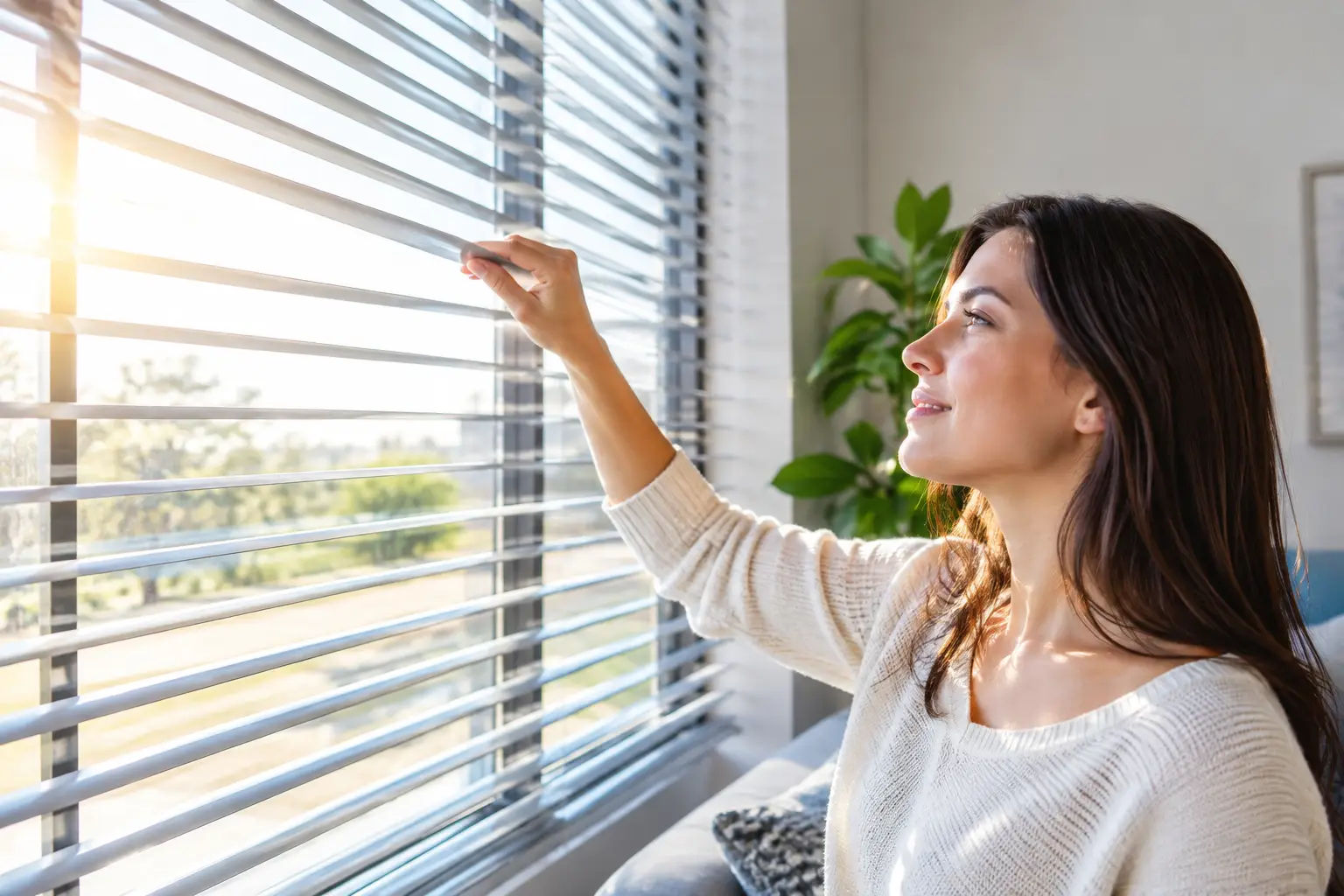
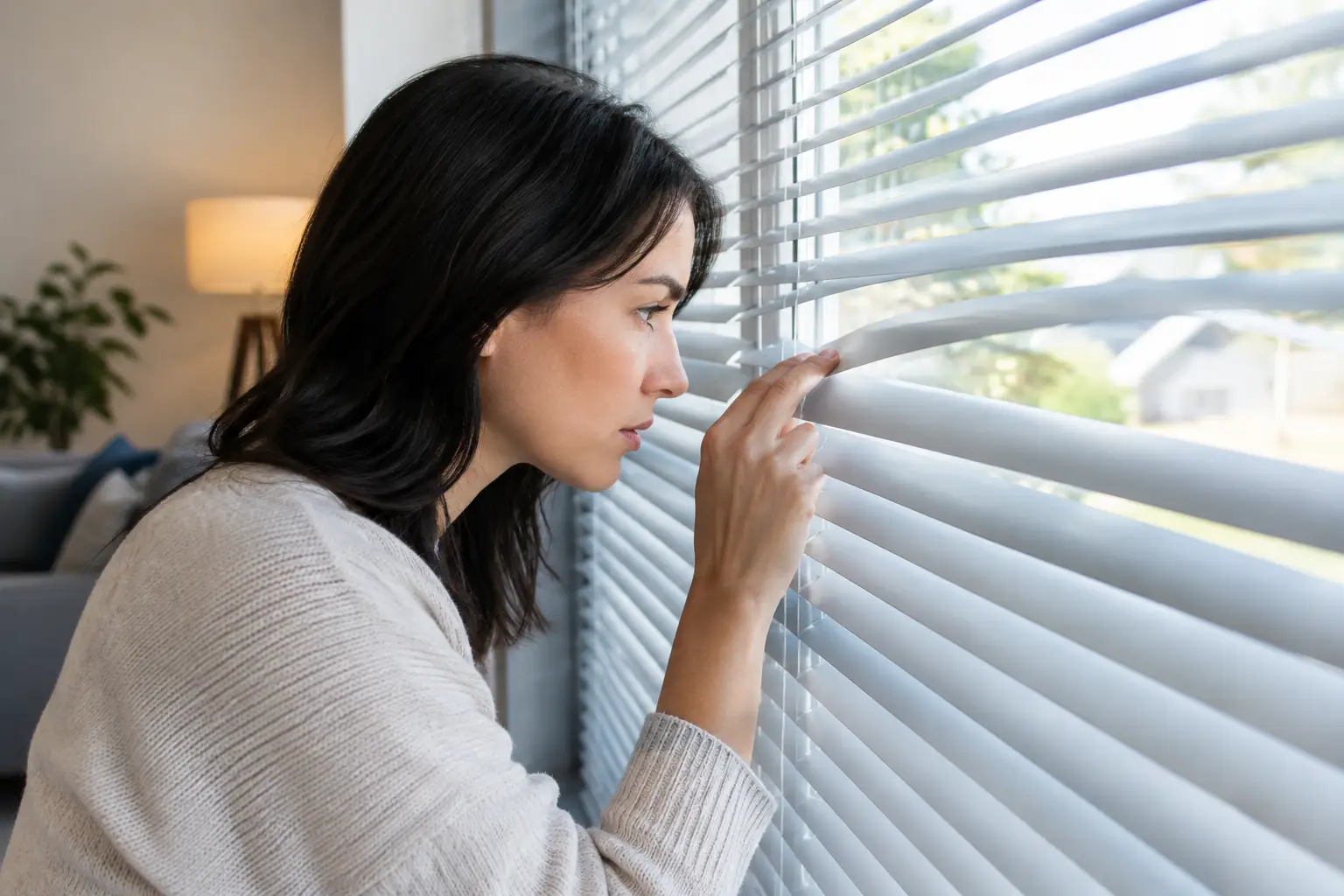
A made-to-measure blind can transform a room, but the fitting appointment works best when the window area is ready for it. To prepare windows before blind fitting, you do not need specialist tools or a full day of DIY. A little practical preparation helps the fitter work safely, check everything accurately and leave you with a neat result.
This is particularly useful when rooms are busy, windows are difficult to reach or new flooring and decorating are still under way. The aim is simple: provide clear access to the window, make the surrounding area safe and flag anything that could affect the fitting before the appointment begins.
Clear the window sill and nearby space
Start with the window sill. Remove ornaments, plants, photographs, candles and any smaller items that could be knocked while measurements are checked or brackets are fitted. If there are items stored directly below the window, move these elsewhere too.
It also helps to clear a sensible working area in front of the window. A fitter may need access to both sides of the recess, room to position a step ladder and space to open or test the blind once it is in place. You do not need to empty the whole room, but moving a chair, side table or drying rack makes a real difference.
For larger windows, patio doors or wide bay windows, allow a little more room than you think is needed. Heavy furniture does not always have to be moved completely, but it should not prevent safe access to the fixing points. If a large sofa or bed cannot be moved, mention this when arranging the visit so the fitting can be planned around it.
Check the window area for recent changes
Blind measurements are based on the window as it stands at the time of the survey. If you have had plastering, tiling, replacement glazing, new window boards or other work completed since then, let your installer know before fitting day. Even small changes to the recess can affect clearances and fixing positions.
Freshly painted walls are usually not a problem, but paint should be dry and fully cured where possible. Newly plastered surfaces need longer. Fixings in damp or uncured plaster can be less secure, and the work may mark more easily. If decorating has overrun, it is better to have an honest conversation about timing than rush the installation.
Look out for loose plaster, crumbling mortar, damaged timber or cracked tiles around the frame. These do not automatically prevent a blind from being fitted, but they may require a different fixing method or a small repair first. Pointing this out on arrival avoids surprises and gives the fitter the best chance of producing a secure finish.
Do not make last-minute changes to the recess
It can be tempting to add trim, deep window boards or decorative finishes just before installation. The trade-off is that these changes may reduce the available space for the blind or alter the way it sits. If you are renovating, complete any work that changes the window opening before the final measuring visit wherever possible.
Make sure the windows can be opened and closed
Your new blinds should look good, but they also need to work comfortably with the windows and doors behind them. Before fitting, check that handles turn freely, vents can be opened and the window itself does not stick. This is especially worthwhile with tilt-and-turn windows, roof windows, bifold doors and windows with prominent handles.
If a handle catches on the blind, there may be an alternative bracket position, a different product option or a small adjustment that helps. The right solution depends on the type of blind and the space available. Roller, Venetian, vertical, Perfect Fit and shutter systems all sit differently around a frame, so it is useful for the fitter to see the window operating normally.
For Velux windows, make sure the area below is accessible and that the window can be reached safely. If the fitting is in a loft room, clear away stored belongings and consider whether the route to the room is easy for carrying equipment and the blind itself.
Keep pets and children safely away from the work area
Fitting is usually quick and tidy, but it involves tools, fixings and ladders. Young children and pets are safest in another room until the work has been completed and the area has been checked. This also allows the fitter to move between windows without worrying about an open door or an unexpected trip hazard.
If someone in the household works nights, has a baby sleeping or has mobility needs, mention it when confirming the appointment. A local fitting team can often plan the order of rooms or work around practical needs when they know in advance.
Identify anything hidden behind the wall
Most blind fittings are straightforward, but walls and window reveals can contain more than they appear to. Tell the fitter if you know of any wiring, pipes, alarm sensors, smart-home equipment or unusual construction around the window. This is particularly relevant in kitchens, extensions, converted garages and newer properties.
Do not rely on guesswork if you are unsure. Simply explain what work has previously been carried out in that area, such as electrical sockets added beneath the window or plumbing moved during a renovation. An experienced installer will assess the fitting points and take the appropriate care.
Similarly, flag any condensation, water staining or draughts. A blind can improve privacy and help manage light, but it cannot solve an underlying leak or failed window seal. Resolving moisture issues first protects both the window area and your new window covering.
Prepare windows before blind fitting in tricky rooms
Some rooms benefit from a little extra thought. Kitchens may have appliances, shelves or splashbacks close to the recess. Bathrooms can have tiled surfaces and limited space. Conservatories may have high glazing, uneven access or furniture that has gradually accumulated around the edges.
In each case, the best preparation is not to dismantle the room. Clear what you can, ensure there is a safe route to the window and let the fitter know what they will be working around. Photos shared when booking can be helpful for unusually high, awkward or very large windows.
Commercial settings need similar planning. In offices, schools, reception areas or meeting rooms, arrange access to the relevant spaces and move desks, screens or equipment that block the windows. Where the room must remain in use, fitting can often be organised in a way that keeps disruption to a minimum, provided the practical constraints are known beforehand.
Leave final measuring and fitting decisions to the professional
A common concern is whether you should measure again or buy extra brackets before the appointment. In most cases, no. Made-to-measure blinds are designed around the survey and the product selected. A professional fitter will check key dimensions, confirm the intended position and make sure the controls operate correctly before signing the work off.
What you can do is keep your product preference clear. If privacy, blackout performance, easy cleaning, child safety or a particular colour choice matters most, mention it during the consultation. These priorities can influence the most suitable style and the way it is fitted.
Premier Welsh Blinds manages the process from free measuring through to professional installation, so there is no need to take on technical decisions alone. The fitting visit should feel organised, not disruptive, and you should be shown how to operate and care for the finished blinds before the team leaves.
A final check before the appointment
On the morning of fitting, open the room, draw back any existing window covering and make sure there is a clear path from the entrance to the windows. Put fragile items somewhere safe, keep pets out of the area and have any questions ready.
That is enough preparation for most homes. With the space accessible and any changes or concerns raised early, the installation can stay focused on what matters: blinds that fit properly, operate smoothly and suit the way you use your room.