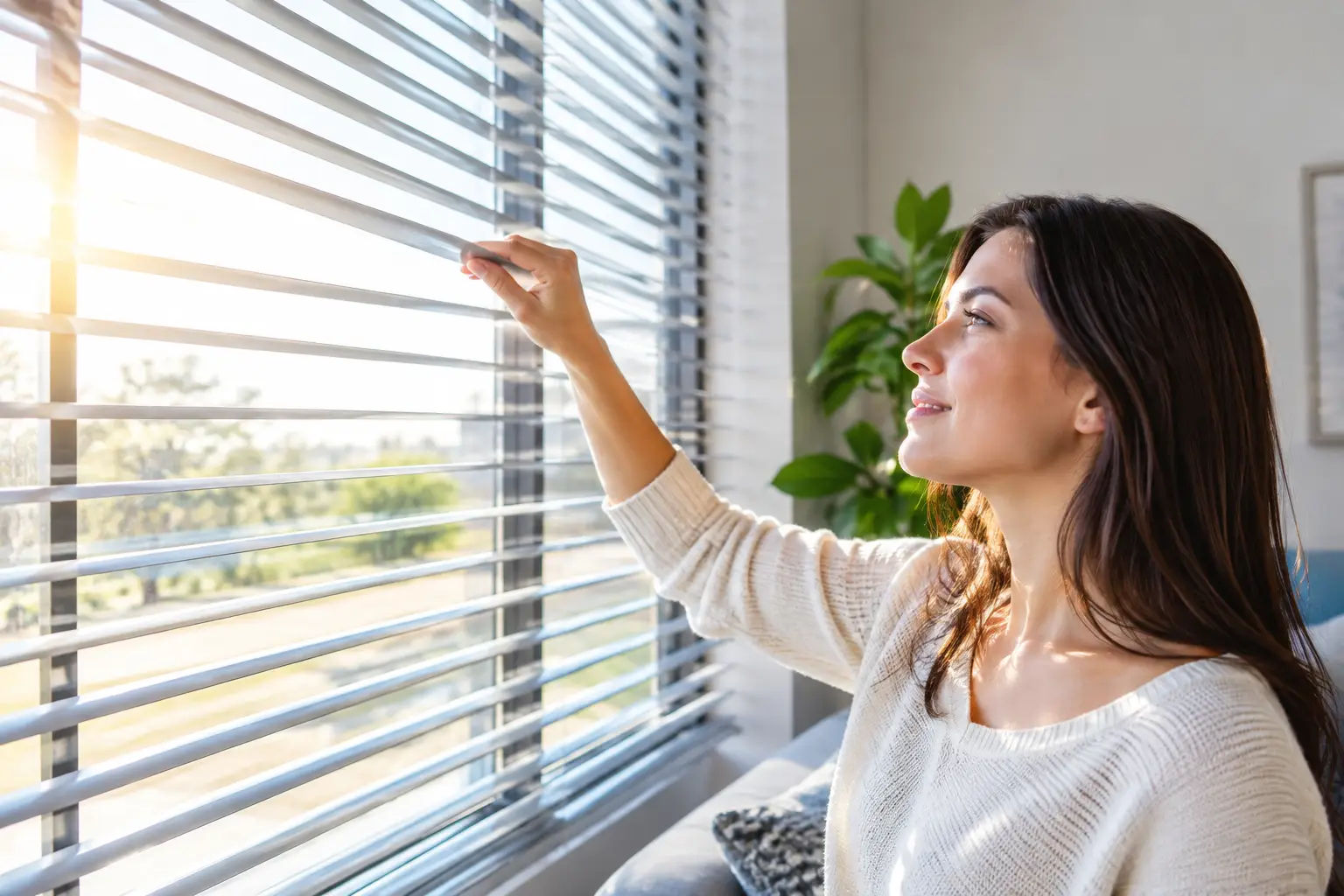
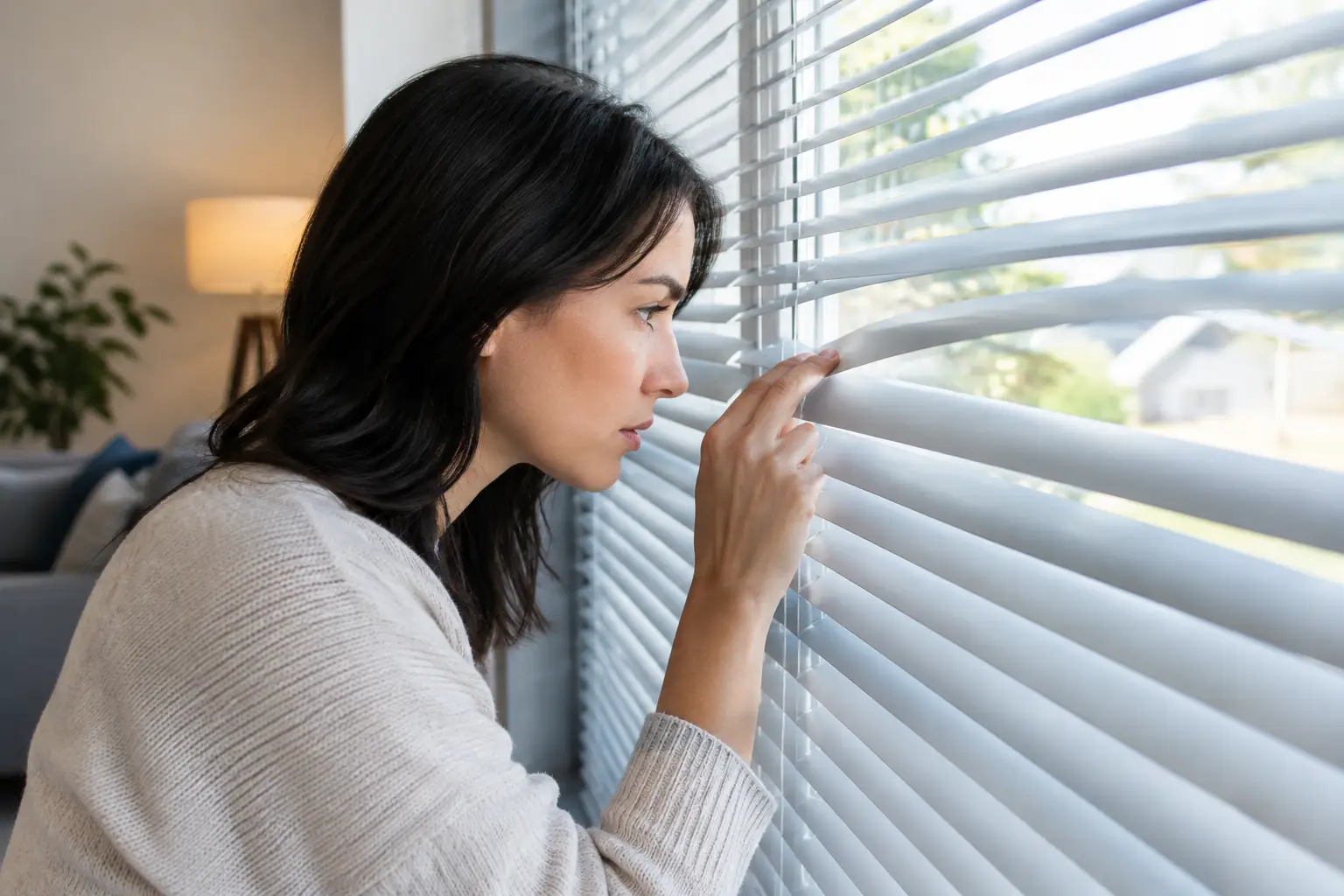
A ground-floor window can reveal more about a home than most people realise. From the street, it may show whether a room is occupied, where valuable items are kept and whether the household is away for the evening. So, do blinds improve home security? They can help by reducing that visibility and making your home feel more private, but they work best as one part of a sensible home-security setup.
Blinds are not a replacement for secure locks, good exterior lighting or an alarm where one is appropriate. What they do offer is useful day-to-day protection: they limit views into your rooms, give you control over light and privacy, and help prevent a house from looking openly unoccupied.
Do blinds improve home security in practice?
The main security benefit of blinds is privacy. When people outside cannot easily see into your living room, kitchen or bedroom, they have less information about what is inside and who may be at home. That matters especially for homes with windows facing a pavement, driveway, shared access route or neighbouring property.
It is easy to leave a window uncovered because the room looks brighter or the view is pleasant. However, clear sightlines can also put electronics, handbags, keys and other belongings on display. Closing or partially adjusting blinds in the evening reduces that exposure without making the room feel shut away.
They can also make your routine less obvious. A consistently bare window may show when lights are on, when rooms are in use and when the property is empty. With blinds fitted, you can maintain privacy while still allowing daylight into the room. Slatted styles are particularly useful here, as they can be tilted to soften visibility while directing light upwards or away from glare.
Privacy is useful, but it is not physical security
It is worth being clear about the trade-off. Standard blinds do not stop someone from breaking a window or forcing a door. They are a visual barrier, not a replacement for toughened glass, secure frames, window locks or a properly fitted door.
This distinction helps you make the right choice. If your priority is preventing people from seeing into the home, a well-fitted roller blind, Venetian blind, vertical blind or Perfect Fit blind can make a meaningful difference. If you want an additional physical layer at a vulnerable window or door, shutters may be worth discussing alongside your wider security arrangements.
Shutters generally provide a more substantial presence than fabric or slatted blind systems. They can create a stronger visual deterrent and add another layer between the glass and the room, although the level of protection depends on the product, fitting method and window itself. They should never be presented as a guarantee against intrusion, but they can be a practical choice for ground-floor rooms and properties where privacy is a priority.
The right blind depends on the window
A security-minded choice should still suit the way you live. A blind that remains permanently closed is unlikely to feel like a good solution, particularly in a kitchen, home office or family living space. The aim is to make privacy easy to manage at the times you need it.
Living rooms and front-facing windows
For rooms that face the road, adjustable Venetian blinds and wooden blinds offer flexible privacy. You can angle the slats to limit direct views inside while keeping some natural light. Roller blinds provide a cleaner, more enclosed finish when fully lowered and are a straightforward option for evening privacy.
Consider where televisions, laptops and other high-value items sit. If they are easily visible from outside, a blind that can be quickly closed at dusk is often more useful than a decorative option that is awkward to operate.
Bedrooms and upstairs rooms
Bedrooms benefit from privacy as well as light control. Blackout-focused roller blinds can stop outside views and reduce early morning light, making them particularly useful for street-facing bedrooms. For rooms overlooked by neighbouring homes, a made-to-measure solution helps cover the glass properly without unnecessary gaps at the sides.
Upstairs windows may seem less vulnerable, but privacy still matters. Open views into bedrooms can be uncomfortable, and a visible empty room can make it easier for others to understand the layout of the property.
Conservatories, garden rooms and glazed doors
Large glazed areas create light-filled spaces, but they can also expose more of the home after dark. Perfect Fit blinds are often a practical option for doors and conservatory windows because they sit neatly within the frame and move with the door or window. This makes them convenient for everyday access while helping you control views from the garden or side passage.
Vertical blinds can work well across wider openings, giving broad coverage while allowing you to adjust the angle for privacy. The best choice depends on the size of the glass, how often the doors are used and whether the room is overlooked.
Good fitting makes a real difference
A poorly sized blind can leave obvious gaps, sit unevenly or become difficult to use. Those issues are frustrating at any time, but they matter more when privacy is the reason for fitting window coverings in the first place.
Made-to-measure blinds are designed around the exact window or door opening. A professional measure takes account of handles, recess depth, opening direction and any practical requirements for the room. The result is a neater fit that is easier to operate and more effective at limiting unwanted views.
Professional fitting also helps avoid damage to window frames and ensures brackets, controls and mechanisms are securely installed. For homes with children or pets, safe control arrangements should be part of the conversation too. A tidy installation is not just about appearance – it means the blind works as intended from day one.
At Premier Welsh Blinds, the process starts with an in-home consultation and free measuring appointment, so you can compare suitable options in the actual room rather than guessing from a shop display. That is particularly helpful where privacy, awkward window shapes or door access are part of the decision.
Use blinds as part of your everyday security routine
The most effective approach is simple: make closing blinds part of the evening routine, particularly in rooms that are visible from the road. There is no need to keep every blind shut throughout the day. Instead, use the adjustment available to you – tilt slats, lower a roller blind part-way or close wider blinds when the room is unattended.
Before going away, close blinds in rooms where belongings are on view, but avoid making the entire house look permanently dark for long periods. Timed lighting, help from a trusted neighbour and secure doors and windows are all useful alongside window coverings. The goal is to make the home look lived in while revealing less about what is inside.
It is also sensible to keep keys away from glazed doors and windows. A blind can reduce visibility, but it should not be relied on to hide keys placed within easy reach. Store valuables thoughtfully, check that locks are working properly and deal with damaged frames or loose handles promptly.
Choosing with confidence
Blinds improve home security most when they are chosen for the window, fitted accurately and used consistently. They help protect privacy, reduce casual views into your home and give you more control after dark. They cannot replace core security measures, but they are a worthwhile addition to them.
If you are updating a front room, bedroom, conservatory or glazed door, think about what can be seen from outside at different times of day. A well-chosen, professionally fitted blind can make that space feel more comfortable, more private and less exposed without taking away the light you enjoy.