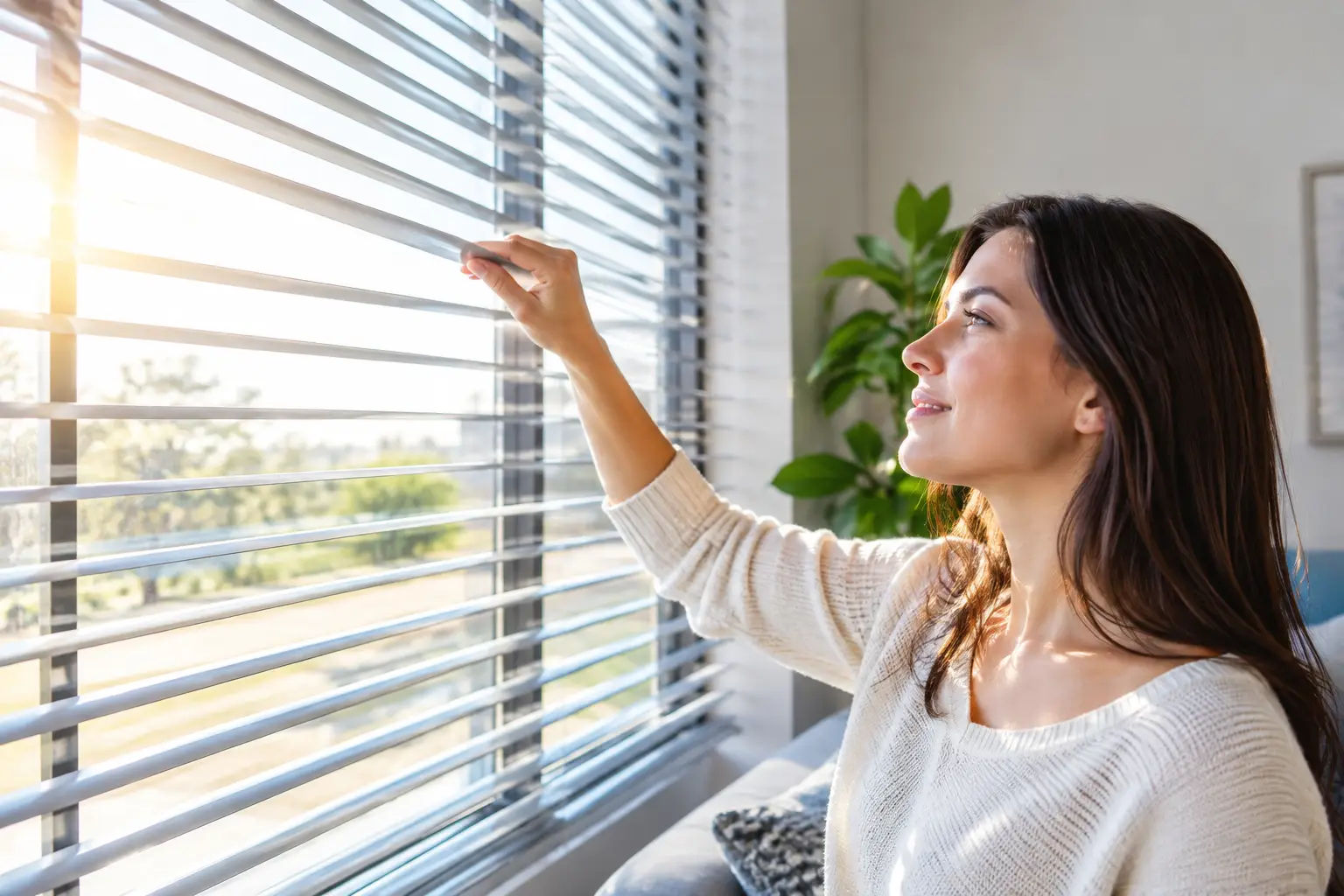
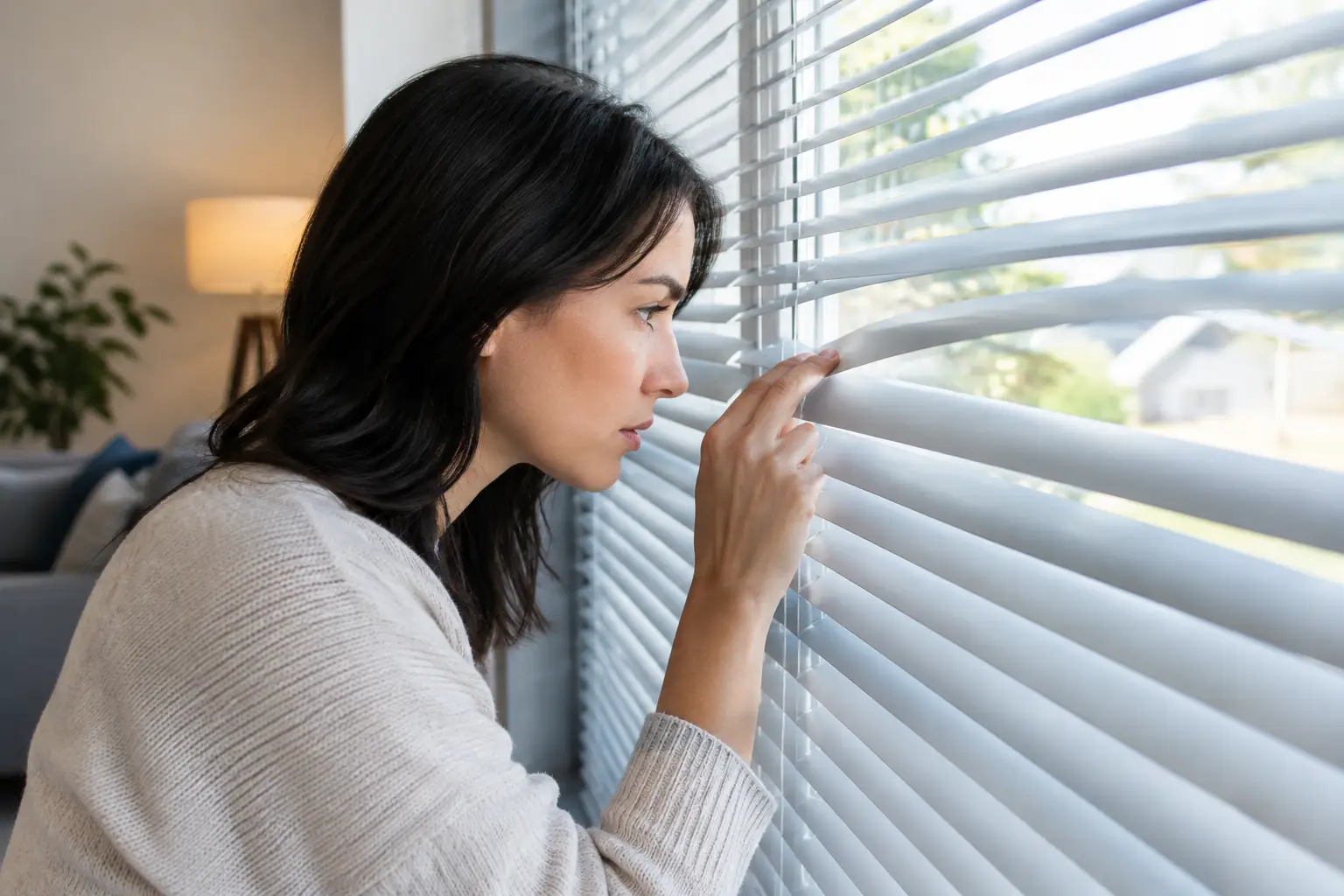
That sunny patch beside the patio doors can be lovely in the morning, but it can also gradually fade a sofa, flooring, artwork or wooden furniture. So, can blinds block UV rays? Yes, the right blind can significantly reduce UV exposure indoors, but the level of protection depends on the material, colour, fit and how the blind is used.
For homes across South Wales, this is especially useful in bright conservatories, garden rooms and south-facing spaces where daylight is welcome but prolonged sun can be hard on furnishings. A well-chosen made-to-measure blind gives you more control over the light entering the room without making it feel closed in.
Can blinds block UV rays effectively?
Blinds can reduce the amount of ultraviolet radiation that reaches the room, although few standard blinds stop every last trace of it. The best option depends on whether your main priority is protecting furnishings, reducing glare, keeping a room cooler or creating a darker sleeping space.
UV light is largely invisible, so it is easy to underestimate. It can pass through glass and, over time, contribute to fading and material deterioration. Sunlight also brings visible light and heat, both of which can affect comfort and cause colours to lose their richness. A blind that filters light may still provide worthwhile UV protection, while a denser blackout fabric generally provides a higher level of screening when fully closed.
The key point is that blinds work best as a controllable barrier. Closing them during the brightest part of the day gives far better protection than leaving them open until the room already feels hot.
Which blinds offer the best UV protection?
Roller blinds with specialist fabrics
Roller blinds are often one of the strongest choices for UV control because the fabric covers the window as a single panel. Blackout roller blinds are particularly effective for bedrooms, nurseries, media rooms and any space where you want to reduce daylight as much as possible.
For living areas, sunscreen or light-filtering roller fabrics can be a practical alternative. They soften strong daylight, reduce glare and help protect interiors while allowing some visibility and natural light. This is useful where a full blackout finish would make the room feel too dark during the day.
Not every roller fabric performs in the same way. A consultation is the right time to ask about the fabric’s opacity, suitability for the room and its UV-filtering properties rather than choosing by colour alone.
Venetian blinds for adjustable control
Venetian blinds do not create a solid cover in the same way as a roller blind, but their adjustable slats give excellent day-to-day control. Tilting the slats can redirect harsh sunlight away from the room while retaining privacy and allowing some daylight through.
This makes them a sensible option for kitchens, offices and rooms where the light changes throughout the day. Aluminium Venetian blinds are durable and straightforward to clean, while wooden blinds bring a warmer, more natural look. Because there are small gaps between slats, they may not offer the same all-over screening as a close-fitting fabric blind, particularly when sunlight is low in the sky.
Vertical blinds for larger windows and doors
Vertical blinds work well across wide windows, bay windows and glazed doors. Their louvres can be turned to soften direct sun without blocking the whole view, which is helpful in rooms used throughout the day.
When the louvres are closed, they provide more coverage, though a small amount of light can still pass between them. For homeowners who need flexible light control over a large opening, they are a dependable and practical choice.
Perfect Fit and Velux blinds
A close fit matters as much as fabric choice. Perfect Fit blinds sit neatly within the window frame, helping to minimise gaps at the sides. They are particularly useful for uPVC windows and doors, including conservatories, where a loose-hanging blind may move when a window or door is opened.
Velux blinds are designed for roof windows, where direct overhead sunlight can make a loft room or extension quickly uncomfortable. A made-to-measure blind fitted to the window can reduce glare and UV exposure far more effectively than an ill-fitting alternative.
Shutters as a lasting option
Shutters provide a solid, tailored solution with adjustable louvres. By changing the louvre angle, you can manage privacy, brightness and the direction of sunlight through the day. Closing the panels offers more coverage, while partially opening them keeps the room bright without leaving it fully exposed.
They can be a particularly good choice for bay windows and rooms where appearance, privacy and lasting durability all matter. As with Venetian blinds, the louvres mean they are not automatically a complete blackout solution, but they offer impressive control when properly fitted.
Why fit and colour make a difference
Even a high-quality blind cannot perform at its best if it is poorly measured. Side gaps, an incorrect drop or a blind that does not sit close to the glass can allow direct sun around the edges. This is one reason professionally measured blinds are worthwhile, particularly for unusually shaped windows, bay windows, roof windows and large glazed areas.
Darker fabrics often absorb more heat, while lighter or reflective backing can help reflect some solar energy away from the room. However, colour should not be chosen on this factor alone. A darker blind may suit the style of a room and still be the best option if glare reduction or a more private feel is your priority.
The direction your window faces also changes the decision. South-facing windows receive stronger daylight for longer periods, while west-facing rooms can experience intense low afternoon sun. In both cases, choosing a blind that is easy to operate means you are more likely to use it at the right time.
Blinds reduce risk, but they are not the whole answer
It is sensible to be realistic about what any window covering can do. Blinds reduce UV exposure when they are closed or angled to block direct sunlight. They cannot protect furnishings from sunlight when left fully open, and no standard blind should be assumed to make an interior completely UV-free.
If you have a treasured photograph, antique piece or delicate fabric near a sunny window, consider moving it out of direct light as well. Rotating decorative items and rearranging furniture occasionally can also prevent one area fading more noticeably than another.
For rooms with frequent sun exposure, the best approach is usually a combination of suitable glazing, a correctly fitted blind and a simple habit of closing or adjusting it before the strongest sunlight arrives. It is a small daily action that can make a visible difference over the years.
Choosing the right blind for your room
Start with the problem you want to solve. If the room is too bright for sleep, blackout roller or fitted roof-window blinds may be the most suitable. If glare on a screen is the issue, an adjustable Venetian or vertical blind may give you the flexibility you need. If a conservatory becomes uncomfortable in bright weather, a close-fitting fabric blind can help soften the light while maintaining a welcoming feel.
At Premier Welsh Blinds, the measuring appointment is an opportunity to see samples in your own home, discuss how you use the space and identify the practical details that are easy to miss online. Window size, opening direction, handle clearance and the amount of direct sun all affect the finished result.
The most useful blind is not simply the darkest or thickest one. It is the one that suits your room, fits precisely and makes controlling the sunlight feel effortless every day.