A bright summer morning can turn a lie-in into an early start, while a streetlamp outside the bedroom can make it difficult to properly switch off. So, are blackout blinds worth it? For many homes, the answer is yes – provided the blind is chosen and fitted to suit the window, the room and the way you use it.
Blackout blinds are designed to block significantly more incoming light than standard fabrics. They are especially useful in bedrooms, nurseries, home offices, media rooms and any space where privacy and controlled lighting matter. However, the best result is not simply about choosing a blackout fabric. It is about getting the right style, accurate measurements and a neat fit around the window.
What a blackout blind can realistically do
A good blackout blind can make a striking difference to a room. It reduces daylight entering through the fabric, softens glare from outside and helps create a darker, more restful environment. This is valuable during lighter mornings, long summer evenings and for anyone working shifts who needs to sleep during the day.
It is worth setting realistic expectations, though. A blackout blind does not always mean complete darkness. Light can still enter around the edges of the blind, particularly where there are wide gaps between the blind and the window recess. The top and bottom of the window can also allow a little light through depending on the system.
This is why made-to-measure blinds often perform better than off-the-shelf options. A blind that has been measured for the exact window size can sit more closely and look far more considered once fitted. The improvement is not only practical – it can make the whole room feel finished.
Are blackout blinds worth it for better sleep?
For bedrooms, blackout blinds are often one of the most worthwhile window-covering upgrades. Darkness supports the body’s natural sleep routine, and even small amounts of early morning light can be disruptive for light sleepers. Parents may also find them useful in children’s bedrooms, where a darker room can make bedtime more consistent throughout the year.
They are particularly helpful in homes with windows facing east, properties near roads or busier areas, and bedrooms with external lighting nearby. If you have ever been woken before your alarm by a bright gap around a standard blind, the benefit is easy to understand.
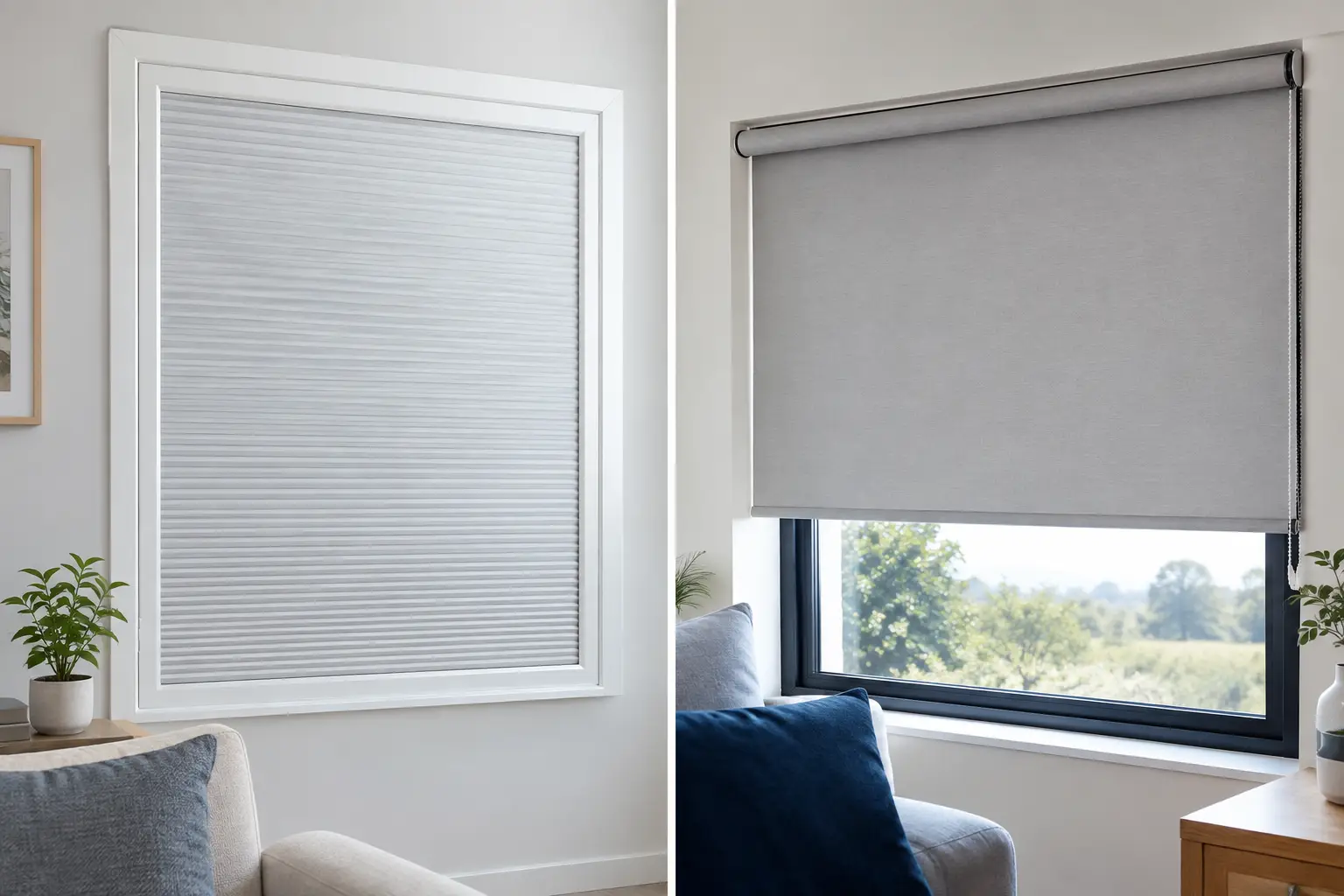
The right blind style depends on the window. Blackout roller blinds are a popular, simple choice for many bedrooms, with a clean appearance and a wide range of colours and finishes. Perfect Fit blackout blinds are well suited to many uPVC windows and doors because they sit within a fitted frame, helping to reduce side gaps while allowing doors and windows to operate freely. For roof windows, blackout Velux blinds can offer a practical way to manage strong overhead daylight.
Privacy and glare matter too
Sleep is not the only reason to choose blackout fabric. In a ground-floor room, it can provide excellent privacy once closed, particularly in the evening when interior lights make a room more visible from outside. A blackout blind is also useful in a home office where sunlight makes screens difficult to see, or in a television room where glare spoils the picture.
For some households, this flexibility is the real value. You can enjoy daylight when the blind is open, then quickly create a private, shaded room when needed. This is far more practical than permanently living with reduced natural light.
If the room is used for several purposes, consider how the blind will work at different times of day. A living space may benefit from a softer light-filtering fabric, while a bedroom or cinema room may justify a fuller blackout option. During a consultation, it is useful to explain how the room is used rather than focusing only on its appearance.
The insulation benefit: useful, but not the main reason
Blackout blinds can add a layer between the room and the window, which may help a space feel more comfortable. This can be welcome in bedrooms with older glazing, conservatories and rooms that feel chilly on winter evenings or hot in direct summer sun.
However, they are not a replacement for efficient windows, proper insulation or ventilation. The amount of difference depends on the fabric, blind design, window size and how closely the blind fits. It is best to see any thermal benefit as a welcome extra rather than the sole reason to buy.
A closely fitted blind can also help control intense sunshine before it heats a room up. This is often useful in south-facing rooms, where managing light early in the day can make the space more pleasant later on.
When blackout blinds may not be the best choice
Blackout blinds are not automatically right for every window. In a kitchen, dining area or main living room, you may prefer a blind that maintains more daytime brightness. A very dark room can feel less inviting when the blind is down for long periods, especially in smaller spaces.
They may also be unnecessary if your main concern is modest privacy rather than sleep or glare. In that case, a standard roller blind, Venetian blind or vertical blind may give you the control you need without making the room feel fully enclosed.
There is also a practical consideration around light gaps. If you want the darkest possible room, the blind style and fitting method are just as important as the word ‘blackout’ on the fabric sample. A professional can advise whether a recess fit, face fit, side channels or a framed system is most suitable for your window.
Why fitting makes such a difference
A blackout blind can only perform as well as its fit allows. Windows are not always perfectly square, recesses can be uneven and handles or vents may affect where a blind can sit. Measuring these details properly avoids common problems such as a blind catching on a handle, hanging unevenly or leaving more light around the edges than expected.
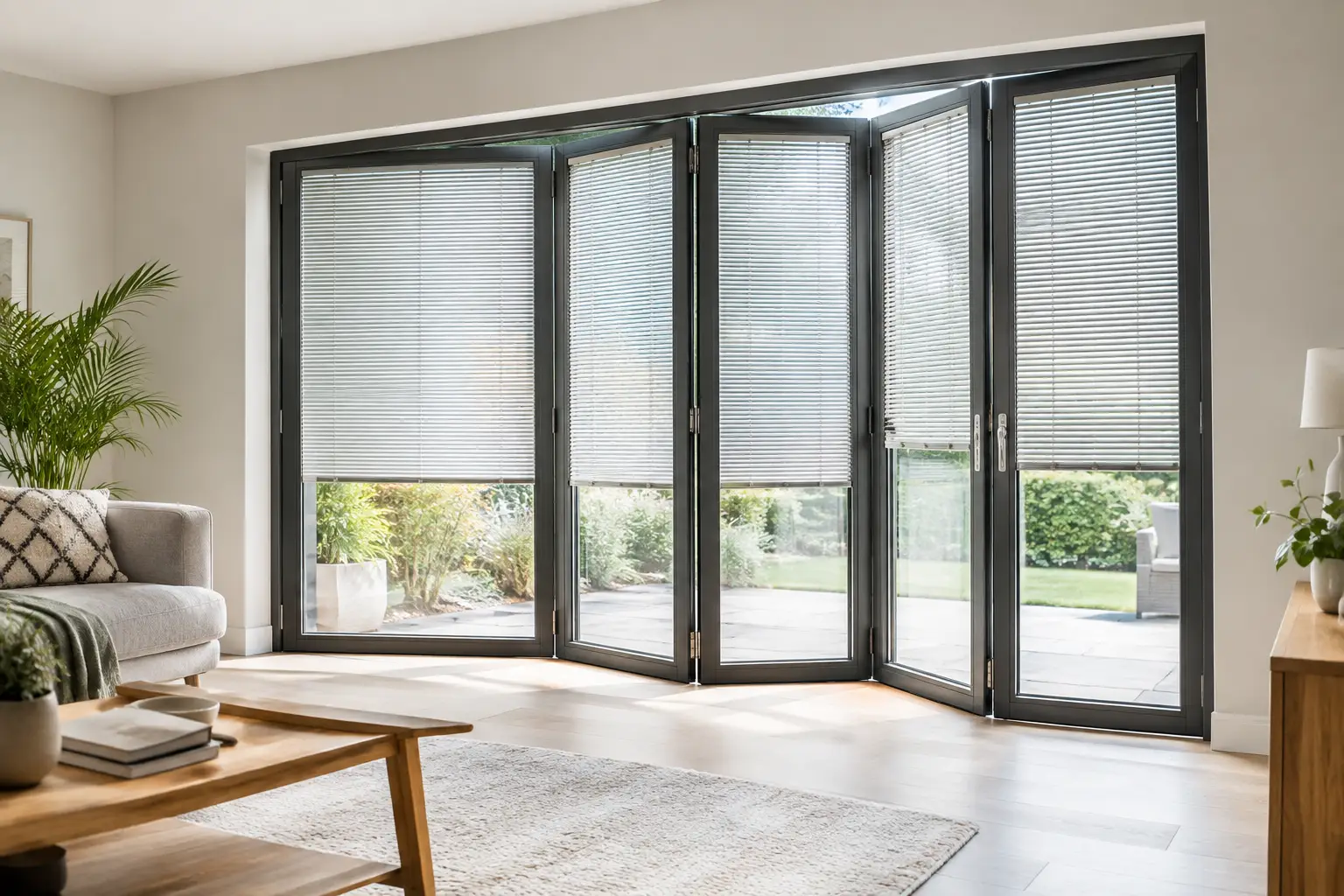
Professional fitting also makes everyday use simpler. The blind should raise and lower smoothly, sit securely and be positioned so that it does not interfere with opening windows or doors. This matters particularly for larger windows, roof windows and bifold or patio doors.
At Premier Welsh Blinds, the process begins with discussing what you need from the room, followed by free measuring and clear guidance on suitable options. Once you have selected the fabric and style, the blind is made to your measurements and fitted cleanly by an insured team. It removes the guesswork from ordering a product that needs to work well every day.
Choosing the right blackout blind for your room
Start with the problem you want to solve. If early light is waking you up, prioritise close coverage around the window. If glare is the issue, think about the direction of the sun and when you use the room. If privacy is your concern, consider the view into the room from outside after dark.
Next, look at the window itself. A compact roller blind can suit a straightforward bedroom window, while a roof window needs a purpose-made solution. Windows and doors that open inward can benefit from a system designed to move with the frame. Colour is worth considering too: the blackout lining controls light, while the visible fabric should complement your room.
Finally, do not overlook operation. A simple chain mechanism suits many blinds, while other options may be more convenient for hard-to-reach windows or busy family spaces. The best choice is the one that gives you the control you need without becoming awkward to use.
A well-chosen blackout blind is not about making every room dark. It is about giving you the option of proper rest, privacy and comfort when you need it – with a finish that feels made for your home.