A sunny living room can quickly show the blinds and shutters difference. One option gives you quick, flexible control over glare and privacy; the other becomes a lasting part of the room’s finish. Both can look smart, improve comfort, and make a home feel more private. The best choice depends on the window, how you use the room, and the result you want to live with every day.
For homeowners choosing window coverings, the decision is rarely just about appearance. You may need blackout for a bedroom, easy-clean materials for a kitchen, insulation for a draughty bay window, or a neat solution for doors and conservatories. Understanding where blinds and shutters differ makes the selection process far simpler.
What Is the Main Difference Between Blinds and Shutters?
Blinds are window coverings made from fabric, aluminum, wood, faux wood, or similar materials. They are generally fitted inside or above the window recess and operate by lifting, lowering, tilting, or rolling. Roller blinds, Venetian blinds, vertical blinds, Roman blinds, and Perfect Fit blinds are all examples.
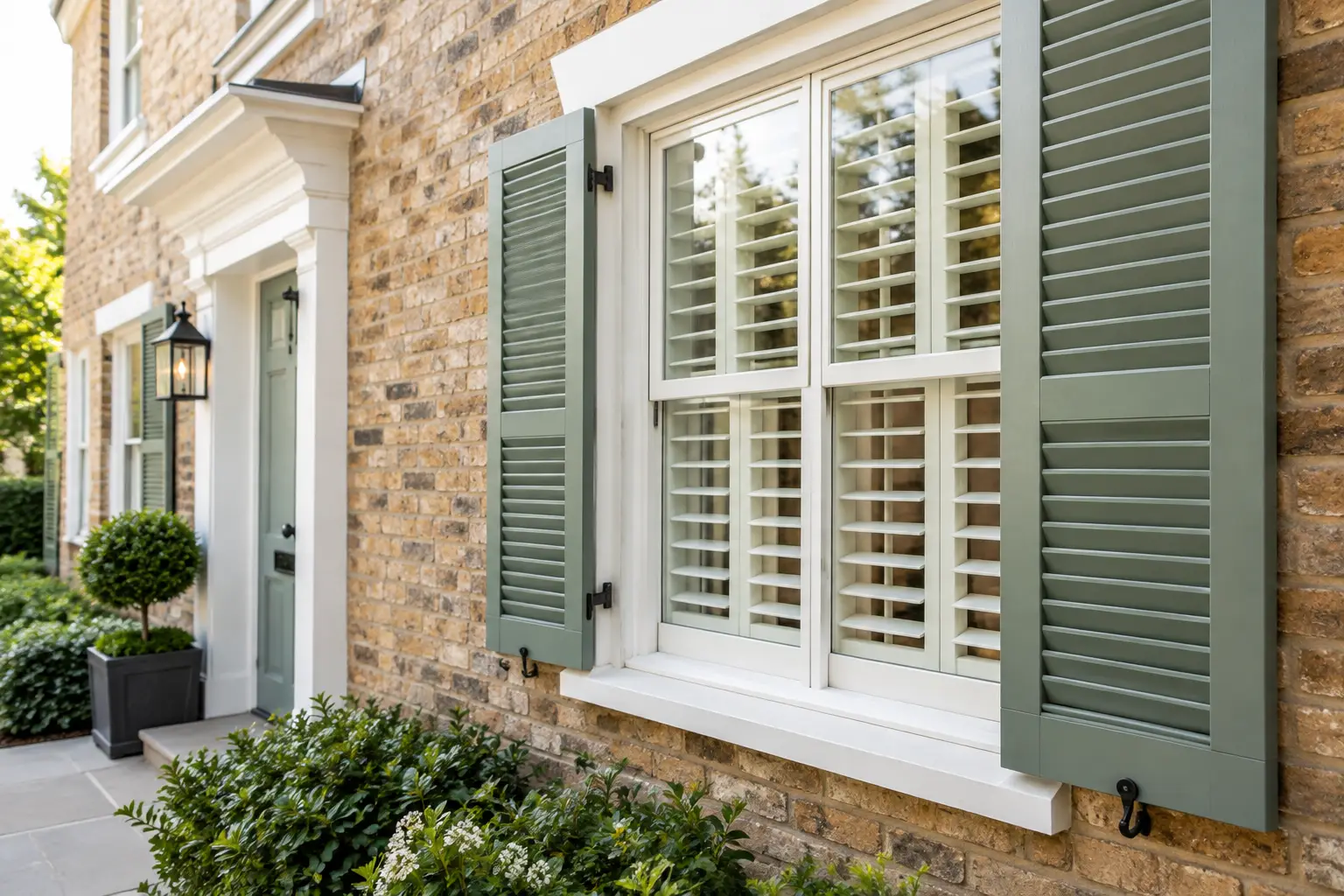
Shutters are solid, fitted panels with adjustable louvers, usually made from wood, engineered wood, or waterproof composite materials. They are fixed to a frame around the window and open like doors or fold back in sections. Rather than sitting in front of the glass, shutters are designed to look like a more permanent feature of the window.
That basic construction affects almost every practical consideration: light control, cost, cleaning, insulation, fitting, and the overall style of a room.
Blinds and Shutters Difference: Light and Privacy
Both products can give excellent privacy, but they do it differently.
With blinds, you can choose a style around the level of light control you need. A roller blind is simple and effective, especially with blackout fabric in bedrooms and nurseries. Venetian blinds let you tilt the slats to soften daylight while preventing direct views into the room. Vertical blinds work particularly well across wide windows, patio doors, and sliding doors because they can be drawn to one side when you want a clear view out.
Shutters offer very precise control during the day. Adjusting the louvers can direct sunlight upward, reduce glare on screens, and keep the lower part of the window more private. Tier-on-tier shutters are especially useful on street-facing windows: open the upper panels for daylight while keeping the bottom panels closed.
For near-total darkness, a blackout blind generally has the advantage, particularly when fitted carefully to reduce light gaps. Shutters can darken a room significantly, but small amounts of light can still appear around louvers and frame edges. Many homeowners choose shutters for daytime privacy and add a blackout blind where sleep quality is the priority.
Style and the Finished Look
Blinds can blend in or make a statement. A neutral roller blind can sit quietly in a modern kitchen, while wood Venetian blinds bring warmth and texture to a lounge or dining room. Fabric choices offer plenty of scope for color, pattern, and softness, making blinds a useful choice when the window covering should complement curtains, furniture, or a particular decorating scheme.
Shutters tend to create a more architectural look. They frame the window, add clean lines, and work well in traditional homes, modern renovations, bay windows, and rooms where you want a polished finish without adding curtains. White is a popular choice because it suits many interiors, although other painted and wood-effect finishes can add character.
There is no universal winner here. Shutters make more visual impact and can feel more permanent. Blinds offer greater variety and can be changed more easily if you redecorate in a few years.
Cost, Value, and What You Are Paying For
Blinds are usually the more budget-friendly option. This is particularly true for straightforward roller, vertical, and aluminum Venetian blinds. They can make a big improvement to a room without requiring the larger investment associated with fitted shutters.
Shutters normally cost more because every panel, frame, and louver arrangement is made to suit the individual window. The product uses more material, and accurate fitting is essential for smooth operation and a neat finish. Unusual window shapes, large bays, and multiple panels can also affect the final price.
The better value depends on your plans for the property. If you want an affordable, practical solution for several rooms, blinds may be the sensible route. If you are improving a long-term home and want a durable fitted feature for prominent windows, shutters can justify their higher initial cost. A free in-home measure and quotation lets you compare suitable options based on the actual windows, rather than guessing from online prices.
Cleaning and Everyday Care
Blinds need different care depending on the material. Roller blinds are usually wiped gently with a soft damp cloth. Venetian slats require occasional dusting, while fabric blinds may need light vacuuming with an upholstery attachment. In kitchens, moisture-resistant and wipe-clean choices are often easier to maintain than fabric.
Shutters are generally straightforward to clean. A microfiber cloth or duster can be used across the louvers and frame, with a lightly damp cloth for more stubborn marks. Waterproof shutter materials are particularly practical in bathrooms, kitchens, and utility rooms where steam and splashes are expected.
Neither option is maintenance-free, but shutters have fewer cords, chains, and fabric surfaces to manage. On the other hand, blinds can be quicker and less expensive to replace if a room’s needs or style changes.
Insulation, Noise, and Comfort
Window coverings will not replace quality glazing, but they can help a room feel more comfortable. Closed blinds create an extra layer between the room and the glass, which can reduce the feeling of cold near a window. Cellular and thermal blind fabrics are designed specifically to improve insulation.
Shutters fit more closely to the window area and can create a useful barrier when closed. Their solid panels may help reduce drafts and soften some outside noise, especially on older windows. The result varies with the window itself, the shutter material, and how well the product is measured and installed.
For conservatories, garden rooms, and south-facing spaces, managing heat and glare can matter as much as retaining warmth. Blinds often provide more specialized options here, including reflective, solar-control, and Perfect Fit systems that sit neatly within the window frame.
Which Option Works Best in Each Room?
Bedrooms often benefit from blackout roller blinds or blackout-lined options, especially where early morning light is an issue. Shutters are a strong choice for privacy and a finished appearance, but may be best paired with an additional blind if complete darkness is needed.
Bathrooms and kitchens need materials that handle moisture well. Waterproof shutters, aluminum Venetians, and moisture-resistant roller blinds are all practical choices. The right option comes down to whether you prefer the clean-lined fitted look of shutters or the simpler, lower-cost flexibility of blinds.
For wide patio doors and large windows, vertical blinds remain a practical solution because they are easy to open and control. Shutters can also work beautifully, particularly with tracked systems, but the layout needs careful planning so access is not restricted.
Bay windows are where professional measuring makes a noticeable difference. Both bespoke blinds and shutters can follow the angles cleanly, but off-the-shelf products often leave awkward gaps or interfere with handles and window openings.
Why Professional Measuring Matters
The difference between a window covering that looks acceptable and one that looks made for the room often comes down to measurement and fitting. Windows are not always square, recesses vary in depth, and handles, vents, tiles, and door movement all need to be considered.
A consultation allows you to see samples in your own light, compare colors against your walls and furnishings, and talk through how you use the space. It also helps identify practical details early, such as whether a blind should fit inside or outside the recess, whether shutters need a divider rail, or whether a door requires a no-drill fitting system.
Premier Welsh Blinds provides made-to-measure options with professional fitting, so customers can choose with clear advice and avoid the uncertainty of measuring and installing alone.
If you are torn between blinds and shutters, start with the room’s everyday problem rather than the product name. Bring a photo of the window, think about privacy at different times of day, and decide whether your priority is blackout, easy cleaning, insulation, budget, or a more permanent finished look. The right choice should make the room easier to enjoy, not harder to manage.