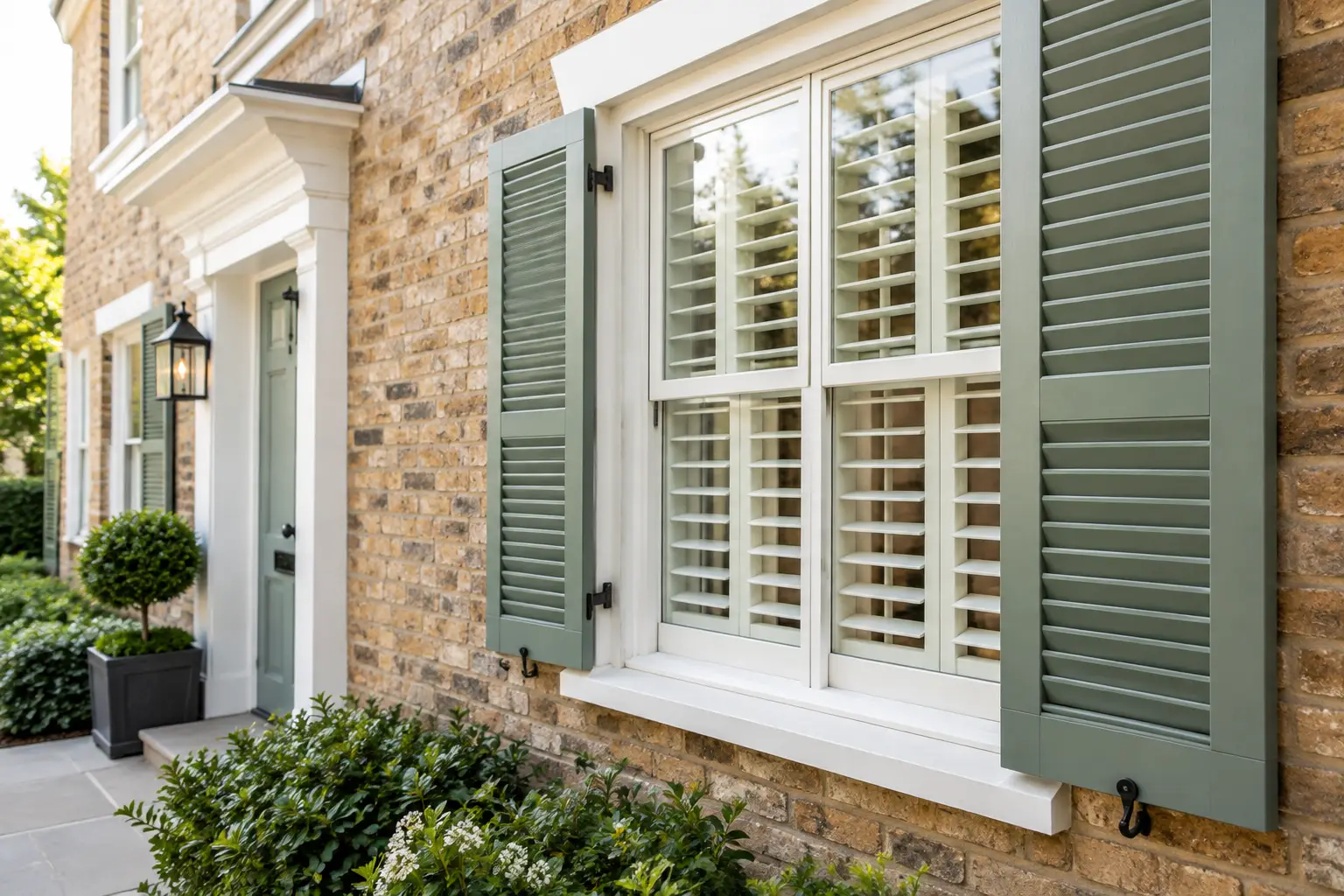
A period home rarely has standard windows. Deep reveals, uneven walls, original timber frames and bay windows are part of its charm, but they also mean that choosing shutters for period homes needs more thought than simply picking a colour. The right shutters should feel as though they belong to the property, while giving you the privacy, light control and everyday practicality you need.
A made-to-measure approach makes a real difference. It allows the shutter style, panel layout and fitting method to suit the window itself, rather than asking the window to suit an off-the-shelf product.
Choosing shutters for period homes starts with the window
Before looking at finishes or louvre sizes, consider the shape, age and condition of the window. Sash windows, bays, arched openings and tall Victorian proportions all call for a slightly different approach. The aim is not to hide the architecture, but to frame it well.
For example, tall narrow sash windows often look best with shutters that echo their vertical lines. Full-height shutters can provide a clean, balanced finish, while tier-on-tier shutters suit rooms where you want independent control over the top and bottom sections. You can open the upper panels for daylight and keep the lower panels closed for privacy from the street.
Bay windows need particularly careful measuring. Each panel must follow the angles of the bay so the finished shutters sit neatly and operate smoothly. In older homes, those angles are not always identical from one side to the other. This is where a professional survey helps avoid gaps, awkward alignment or shutters that catch when opened.
It is also worth checking how far window handles, catches and sills project. A well-planned installation accounts for these details from the outset, so you can still use the window as intended.
Match the shutter style to the property
There is no single shutter style that suits every older property. The best choice depends on the period of the home, the room and how formal or relaxed you want the finished look to feel.
Full-height shutters for a simple, classic finish
Full-height shutters cover the whole window and are a popular choice for bedrooms, lounges and larger period windows. Their clean lines work well in Victorian and Edwardian homes, especially where the windows are a key feature of the room.
Adding a mid-rail can make the design feel more in keeping with traditional window proportions. It also allows the louvres above and below the rail to be adjusted separately, which is useful where privacy and daylight need to work together.
Tier-on-tier shutters for flexible privacy
Tier-on-tier shutters have separate top and bottom panels. They are especially useful for front-facing rooms, dining rooms and ground-floor bedrooms in homes close to the pavement or neighbouring properties.
They offer more flexibility than a single full-height panel, but the extra panel lines create a more detailed appearance. In a grander property or one with tall sash windows, this can look entirely at home. In a smaller room with modest windows, a simpler design may be more suitable.
Café-style shutters for lower-window coverage
Café-style shutters cover the lower part of the window only. They are a practical option where you want privacy without blocking the upper portion of a beautiful window or reducing natural light.
They often suit kitchens, dining spaces and living rooms overlooking a street. They can also be a sensible choice where original stained or decorative glass sits in the top section of the window and deserves to remain visible.
Shaped shutters for unusual openings
Arches, angled windows and other non-standard shapes are common in older homes, particularly in porches, stairwells and feature rooms. Shaped shutters can be made to follow these openings, creating a tidy result without covering up the detail that makes the window special.
Not every shape needs shutters, however. If a window is mainly decorative, difficult to access or has delicate original features, another form of window covering may be more practical. A consultation should consider the way you use the room, not just the look of the opening.
Think carefully about louvre size and panel layout
Louvres have a major effect on both appearance and light. Wider louvres give a more open, contemporary feel and allow a clearer view outside when tilted open. Smaller louvres can look more detailed and traditional, particularly on compact sash windows or properties with finer architectural features.
The best size often comes down to proportion. Very wide louvres on a narrow window can overpower it, while very small louvres on a tall bay may look busy. During a home visit, seeing samples held against the window is far more useful than trying to judge from a small photograph.
Panel configuration matters too. Wide openings may need multiple panels so they are manageable to open and fold back. The goal is to keep the shutters practical for daily use, while maintaining balanced sightlines across the window.
Choose materials for the room, not just the look
Wooden shutters can bring natural warmth and a traditional feel to a period home. They are often a strong choice for living spaces, bedrooms and rooms where the finish of the joinery is an important part of the overall scheme.
For kitchens, bathrooms, utility rooms or windows that regularly deal with condensation, a moisture-resistant shutter material may be the better option. It can provide a similar smart appearance while coping more comfortably with changing humidity.
Colour deserves just as much attention. White and off-white shutters offer a bright, timeless finish and work with most interiors. Softer neutral tones can suit homes with warmer original woodwork or stone features. If you are considering a darker shade, think about how much natural light the room receives. Deep colours can look striking, but may feel heavier in a north-facing room.
Do not overlook insulation, privacy and everyday use
Shutters are often chosen for their appearance, but their practical benefits matter just as much. When closed, they add another layer at the window, helping to reduce the feeling of draughts and making a room feel more comfortable. They will not replace proper glazing or repair gaps in an old frame, but they can be a worthwhile addition in rooms that feel exposed or chilly.
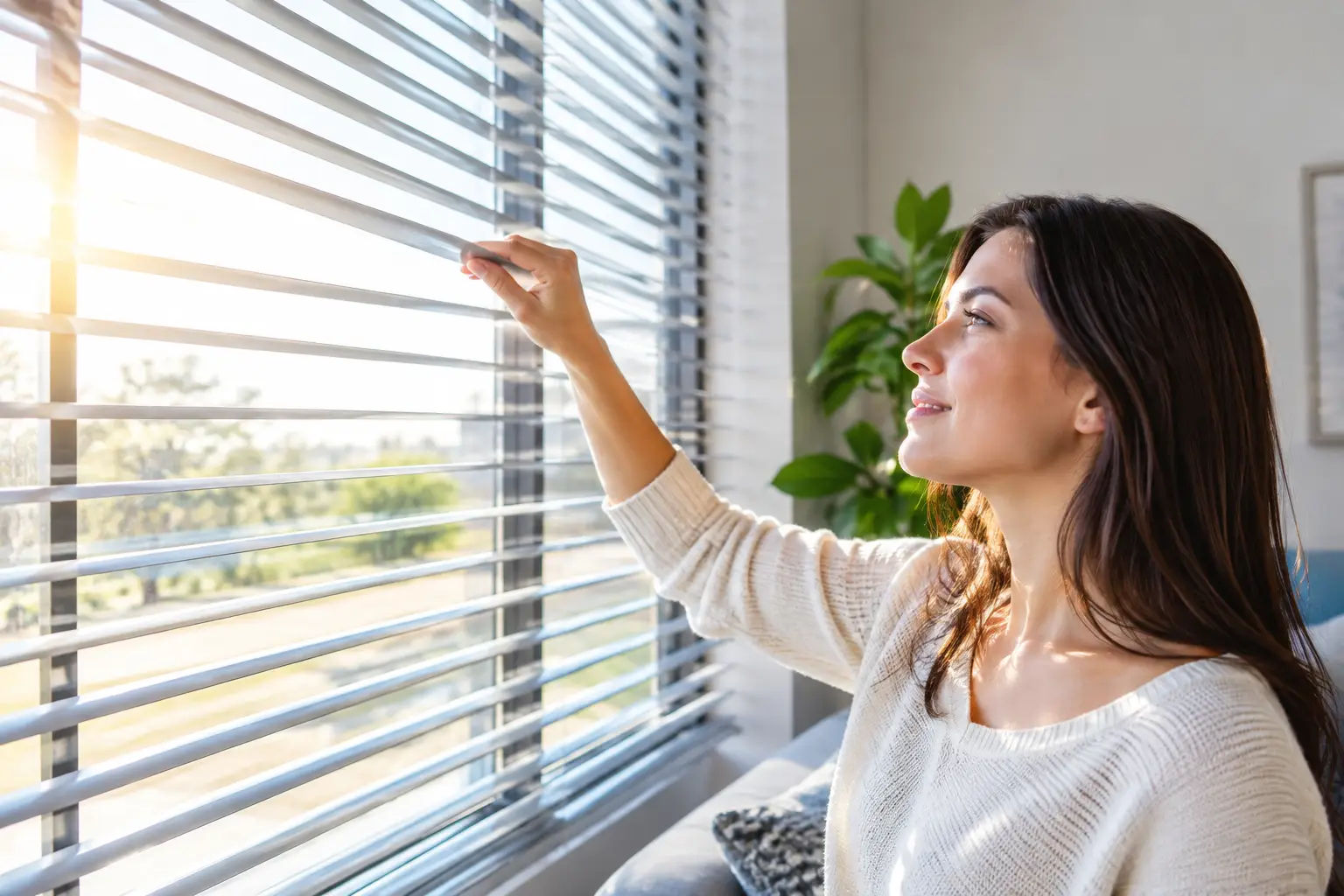
Light control is another advantage. Adjustable louvres let you soften glare without closing off the room completely. This is useful in sunny lounges, home offices and bedrooms where you want flexibility through the day.
For bedrooms, consider whether shutters need to work alongside a blackout solution. Shutters can significantly reduce incoming light, but small amounts of light may still show around the edges or between panels. The right choice depends on the room, the direction it faces and how dark you need it to be.
Protect original features during fitting
Many homeowners worry that fitting shutters will mean damaging original timber frames, mouldings or plasterwork. This is a reasonable concern, especially in a property with preserved details.
A professional survey identifies the best fixing points and checks whether the surrounding surfaces are sound. In some cases, a frame can be fitted within the reveal; in others, it may sit around the window opening. The correct method depends on the depth of the reveal, the opening action of the window and the condition of the structure.
Older properties can hold surprises, from walls that are not square to hidden pipework or crumbly plaster. Accurate measuring and experienced fitting are not extras here – they are what help the finished shutters look neat and operate properly. Premier Welsh Blinds provides free measuring and professional fitting, giving homeowners a clear plan before any order is placed.
Allow for the way the room changes through the year
A room that looks bright and spacious in summer may need much more privacy and warmth in winter. Think about how you use each space across the year. A front lounge may need privacy after dark, while a garden-facing room may benefit from maximum daylight for most of the day.
Also consider access. If you open windows often, clean them from inside or need regular use of a sash catch, the shutters should be configured around those routines. The most attractive design is not necessarily the best one if it becomes inconvenient to live with.
A measured choice gives a better finish
Period homes reward careful decisions. The right shutters should respect the scale of the windows, work with the room’s original features and make everyday life more comfortable. Start with a proper measure, compare materials and finishes in your own light, and choose a layout that gives you the privacy and flexibility you will genuinely use.
When shutters are designed around the home rather than selected from a standard size, they can look settled, practical and entirely right from the day they are fitted.