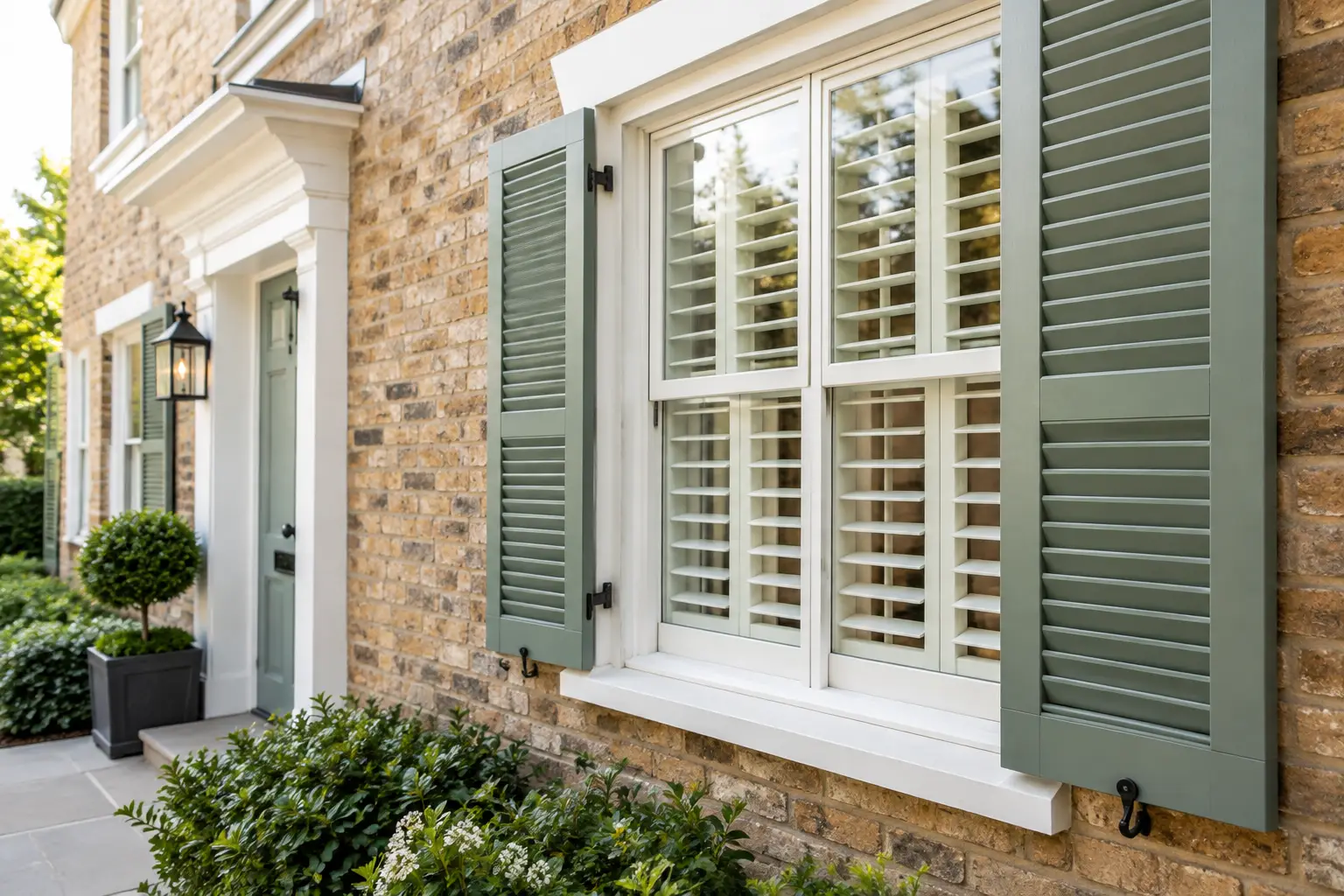
A window covering can change how a room feels long before you change the furniture. It can soften bright afternoon light, add privacy to a street-facing room, or make a conservatory more comfortable year-round. The price difference between blinds and shutters is often one of the first questions homeowners ask, and the short answer is that shutters usually cost more upfront. The more useful answer is that the right choice depends on your windows, priorities, and how long you plan to enjoy the finished result.
For many homes across South Wales, blinds offer an attractive, flexible way to cover several windows within a set budget. Shutters are a more permanent fitted feature, with a higher initial investment and a very different finish. A free in-home measurement and clear quotation will show the true difference for your particular space, rather than relying on a one-size-fits-all price.
Why shutters usually cost more than blinds
Shutters are built as a fitted framework rather than a single window covering. Each set is measured to the shape and size of the window, then made with panels, louvers, hinges, and a frame designed to sit neatly within or around the recess. That level of material and joinery is a major part of the cost.
Installation also tends to take longer. A professional fitter needs to ensure the frame is level, the panels open smoothly, and the louvers close correctly. This is especially valuable on older properties, bay windows, and windows that are not perfectly square, where a rushed or inaccurate fit can be very noticeable.
Blinds are also made to measure, but their construction is generally simpler. A roller blind, vertical blind, Venetian blind, or Perfect Fit blind uses fewer individual components and can often be fitted more quickly. This makes blinds a practical choice when you have multiple windows to cover or want to refresh a room without making a larger investment.
The price difference between blinds and shutters in real terms
It is tempting to compare two products based only on the size of the window, but this can give a misleading result. A basic roller blind and a full-height shutter are designed to do different jobs and create different looks. Shutters are often treated as a long-term interior feature, while blinds give you a wider range of fabrics, colors, and operating styles at a lower starting point.
For a straightforward bedroom or living room window, a made-to-measure blind will commonly be the more affordable option. The cost rises with premium fabrics, blackout linings, motorized operation, unusually large windows, or specialist systems for doors and roof windows. Even with these upgrades, blinds can still be a cost-effective route for homes with several rooms to complete.
Shutters usually begin at a higher level because they are individually designed around the window. Full-height panels, café-style shutters, tier-on-tier designs, shaped shutters, and tracked systems for patio doors all affect the final quote. Larger bays and unusual shapes require more materials and more fitting time, so they will naturally sit at the higher end.
The key question is not simply, “Which costs less?” It is, “What do I need this window covering to achieve?” If you want practical privacy and light control in a family home, blinds may deliver everything you need. If you want an architectural finish that becomes part of the room, shutters can be worth the additional spend.
What affects the cost of blinds?
The style of blind is the first factor. Roller blinds are often among the most budget-friendly choices, particularly for simple windows. They suit kitchens, bedrooms, offices, and bathrooms, with moisture-resistant and blackout options available where needed. Vertical blinds can be a sensible choice for wide windows and sliding doors because they cover broad areas efficiently and allow adjustable light control.
Venetian and wooden blinds usually cost more than a basic roller option. The material, slat width, finish, and operating mechanism all matter. Wooden blinds bring warmth and a more substantial appearance, while aluminum Venetian blinds can offer a clean, modern look and work well in rooms where precise light adjustment is useful.
Fabric selection makes a real difference, too. A standard fabric will cost less than a specialist blackout, thermal, screen, or patterned fabric. That does not make the standard option inferior. It simply means you should choose based on the room. A blackout blind may be a worthwhile upgrade in a child’s bedroom or a room affected by early morning light, while a light-filtering fabric may be ideal for a lounge that needs privacy without feeling closed in.
The fitting location can also change the price. Conservatories, Velux windows, bifold doors, and awkward recesses need products that are suited to the way the window opens and how the room is used. A well-chosen system avoids the frustration of a blind that looks good initially but is inconvenient every day.
What affects the cost of shutters?
Shutter material has a significant effect on price and suitability. Different materials offer different benefits for dry living spaces, bathrooms, kitchens, and rooms exposed to stronger sunlight or changing temperatures. The best option is not always the most expensive one. A practical, hard-wearing shutter material may be the better choice for a busy bathroom or kitchen, while a different finish may suit a formal living room.
The design you choose also matters. Café-style shutters cover the lower portion of a window, giving privacy while leaving the upper glass open for daylight. They can be an excellent way to achieve the shutter look without covering the entire window. Full-height shutters create a classic, complete finish, while tier-on-tier shutters allow the top and bottom panels to open independently for more control over light and privacy.
Bay windows, arched windows, and angled shapes require careful measuring and custom work. They can look exceptional when fitted properly, but they should be priced as a specialist installation rather than compared with a standard rectangular blind. Similarly, shutters for French doors, patio doors, and large openings need to work safely and comfortably with the doors themselves.
Looking beyond the upfront price
The lower initial cost of blinds can make them the clear choice for a first home, a rental property, or a project with many windows. They also make it easier to introduce color, texture, and seasonal style into a room. If your décor changes often, a fabric blind gives you flexibility without replacing a more permanent feature.
Shutters have a different value proposition. Their fitted appearance can make a room feel more finished, and their adjustable louvers give strong control over privacy and daylight. They do not need cords or fabrics, which some households prefer for a clean, uncluttered look. With the right material and proper care, shutters can remain part of the home for many years.
Energy efficiency is another consideration, although no window covering should be treated as a replacement for good glazing and insulation. Both blinds and shutters can help reduce glare and add a layer between the room and the window. The result depends on the product, how it is fitted, the window itself, and how the room faces. A consultation is useful here because a south-facing conservatory has very different needs from a shaded front bedroom.
Why measuring and fitting matter to the final cost
A cheap-looking quote can become expensive if the product does not fit, leaves unwanted gaps, or needs replacing sooner than expected. Off-the-shelf options can work for standard windows, but they are rarely ideal for every recess, door, or bay. Made-to-measure products are priced around the exact opening, the chosen material, and the installation needed to make them operate correctly.
Professional measuring also removes guesswork. The fitter can check for handles, tiles, alarms, radiators, opening direction, and recess depth before an order is placed. That helps prevent avoidable delays and means the finished blind or shutter is chosen for the way you actually live in the room.
Premier Welsh Blinds can talk through those details during a free measurement appointment, explain the options in plain language, and provide a clear quote before you commit. You can compare the practical benefits as well as the price, knowing that the fitting is insured and the product is made for your windows.
If your budget points toward blinds, you do not have to settle for a second-best finish. A well-selected, professionally fitted blind can look smart, work reliably, and transform a room. If shutters are the finish you have had in mind for years, consider starting with the rooms where their privacy, light control, and lasting style will make the biggest difference.