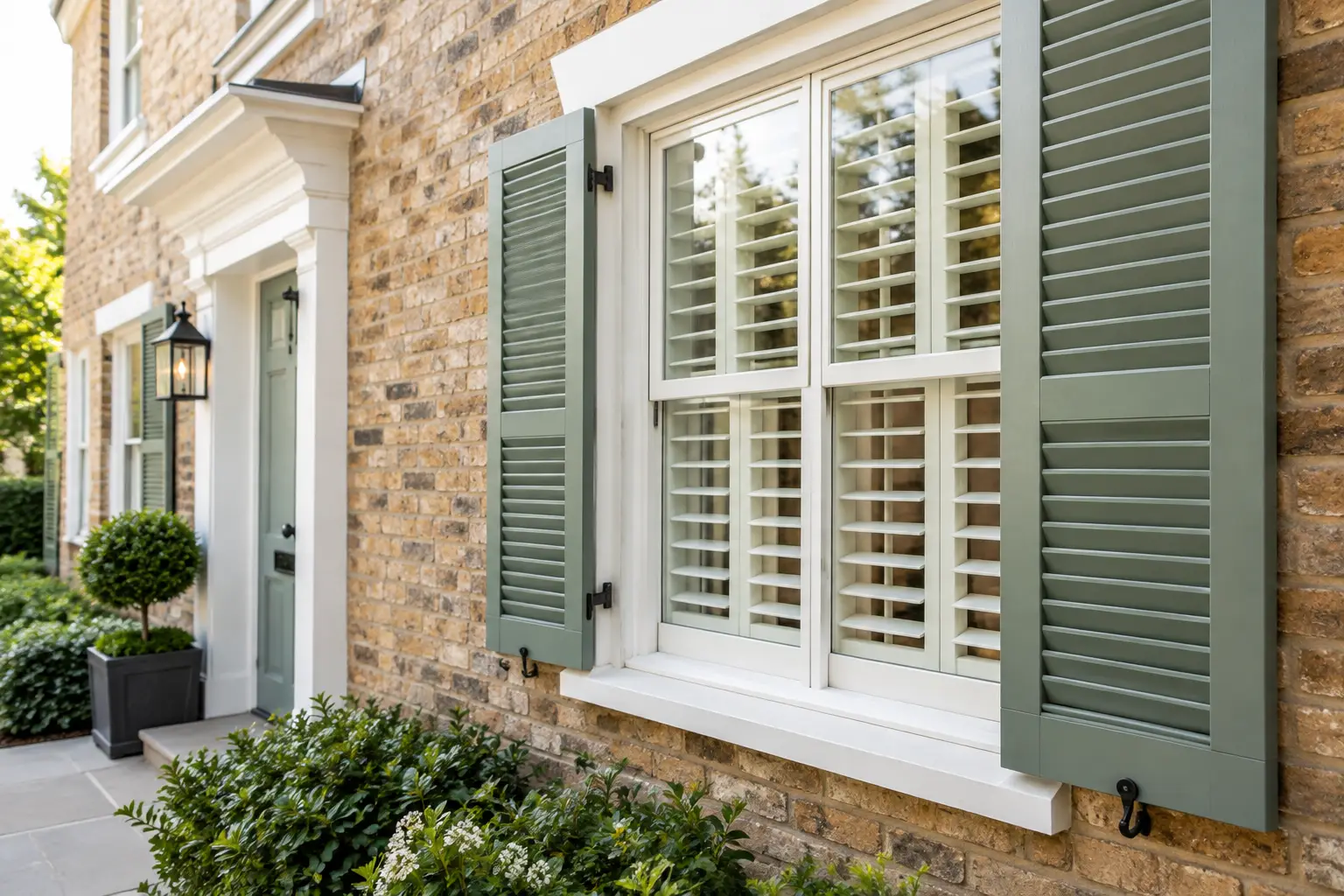
A living room can look beautifully finished, yet still feel exposed when the window covering is not doing its job. Low afternoon sun on the television, passers-by looking in, or a large bay window that feels bare can all change how you use the room. Wooden blinds for living room windows offer a smart, welcoming answer: they bring natural texture while giving you practical control over light and privacy.
They are particularly effective in rooms where you want a more considered look without making the space feel overdone. Tilt the slats slightly for soft daylight, close them for privacy in the evening, or raise the blind fully when you want to enjoy the view. The right blind should suit how your household actually uses the room, not simply match a photograph.
Why wooden blinds work so well in a living room
Wood has a visual warmth that works with a wide range of interiors. It can soften clean, modern furniture, complement traditional features, and add definition to neutral schemes. White and pale grey finishes keep the room light and fresh, while oak-effect, walnut and darker tones can make a larger room feel more grounded.
The practical benefit is in the adjustable slats. Unlike a fixed covering, a Venetian-style wooden blind lets you alter the angle of the light throughout the day. This is useful in south-facing living rooms, where direct sun can create glare and make the room uncomfortably bright. You can filter daylight without shutting it out completely.
Privacy is another major consideration. In a front-facing room, the slats can be tilted to limit the view from outside while still allowing natural light into the space. For evening use, closing the blind gives a more private, settled feel. It is a flexible option for households that need their living room to work from morning through to night.
Choosing wooden blinds for your living room
The best choice depends on the size of your window, the level of daylight it receives, and the colours and finishes already in the room. A made-to-measure consultation is valuable because the small decisions – slat width, tape colour, mounting position and control placement – affect both the finished appearance and day-to-day use.
Start with the window, not just the décor
A wide window, bay or patio-door area may need careful planning so the blind sits neatly and operates comfortably. For example, a larger blind can become heavier to raise, while several blinds fitted side by side may give more flexible control across a broad opening. The best arrangement depends on whether you use the doors regularly, where the handles sit and how much of the window you want clear when the blind is raised.
Inside a recess, a blind can look tidy and integrated, provided there is enough depth and no handles or fittings interfere. Fitting outside the recess can make a window appear wider and is often a sensible choice where the recess is shallow. Accurate measuring matters here. A few millimetres can be the difference between a blind that sits cleanly and one that catches or leaves an awkward gap.
Pick a slat size that suits the scale of the room
Slat width changes the character of the blind. Narrower slats can suit smaller windows and more detailed interiors. Wider slats tend to create a more contemporary, open look and can be especially effective on large living room windows.
There is a practical trade-off. Wider slats usually provide a clearer view when tilted open, but they also create a more noticeable stack when raised. Narrower slats may look more delicate, although there are more of them across the height of the window. Seeing samples at home, against your own walls and flooring, is often more useful than choosing from a small image online.
Choose a finish that belongs in the room
A white wooden blind is a reliable option for rooms with pale walls, white window frames or a light, coastal feel. It can give a clean finish without distracting from colourful furnishings. Soft greys work well where you want a gentle contrast, particularly with cooler-toned walls.
Natural wood shades are a good fit when you want the window to feel like part of the furniture rather than a separate feature. Try to match the undertone rather than forcing an exact match to a floor or coffee table. A warm oak can sit comfortably alongside other warm woods, even if the grain is different. Darker finishes can look striking, but they tend to make more of a statement and may feel heavy in a compact or poorly lit room.
Tapes are another detail worth considering. They cover the ladder cords and can add a softer, more tailored finish. Matching tapes keep the look calm; a contrasting tape can frame the slats and give the blind more presence. Neither is automatically better – it comes down to the look you want and how busy the rest of the room already feels.
Light, privacy and insulation: what to expect
Wooden blinds are excellent for controlling light, but they are not designed to create complete darkness. Even with the slats closed, small lines of light can remain between them and around the edges. For a living room, this is usually a benefit rather than a drawback, as it keeps the room from feeling shut away. If glare is a persistent problem, the blind can be specified and positioned to give the best possible coverage for your window.
They can also help a room feel more comfortable near the glass. Closed slats create an additional layer at the window, which can reduce the sensation of a cold surface on cooler days. They are not a replacement for well-performing glazing, but they can make a noticeable difference in a draughty-feeling seating area.
For rooms that receive strong sun, consider how the finish will look at different times of day. Lighter colours reflect more light and keep the room feeling airy. Mid and dark wood tones absorb more light, creating a cosier mood but potentially making a shaded room feel darker. The balance is personal: a bright room may benefit from depth, while a darker room may need a lighter finish to retain openness.
Real wood or faux wood?
This decision is often less about appearance and more about the window environment. Real wooden blinds have the natural grain and lightweight feel that many homeowners prefer. They are well suited to most living rooms, particularly where you want an authentic timber finish and easy day-to-day operation.
Faux wood blinds are usually a better choice if the living room is connected to a humid conservatory, garden room or frequently opened external doors where moisture and temperature changes are more likely. They offer a similar look, are durable and straightforward to wipe clean, but can be heavier than real wood on a large window.
A good adviser will explain the difference honestly rather than treating one material as universally better. The right option is the one that suits the room conditions, the window size and your preferred finish.
Why professional measuring makes a difference
A blind can look simple once fitted, but getting there involves more than measuring the glass. The recess depth, window handles, opening direction, wall condition and position of radiators all need consideration. The controls should also be easy to reach without trailing where children or pets could interfere with them.
With a professional service, you can view samples in your own living room, discuss the practical choices, receive a clear quotation and have the blind fitted neatly once it is ready. Premier Welsh Blinds provides this full process, from free measuring through to fitting and guidance on operating and caring for your new blinds. For homeowners in Neath, Swansea, Port Talbot, Bridgend and Ammanford, it removes the guesswork that can come with ordering an off-the-shelf product.
Keeping your wooden blinds looking their best
Wooden blinds need only simple, regular care. Close the slats and dust them with a soft cloth, duster or vacuum brush attachment, then reverse the slats and repeat. For small marks, use a lightly damp cloth and dry the surface promptly. Avoid soaking the wood or using harsh cleaning products, as excess moisture can affect the finish.
Operate the blind gently and keep cords clear. If something feels stiff or catches, avoid forcing it. Early advice is usually easier than dealing with a damaged mechanism later.
Your living room is where light, comfort and privacy need to work together. Choose a finish you will enjoy seeing every day, then let careful measuring and fitting make sure it performs as well as it looks.