A blind can look perfect in a showroom and still feel wrong once it is up at home. A narrow gap at the side lets in the early morning light, a bottom rail catches on a window handle, or a ready-made size leaves the whole window looking unfinished. That is why made to measure blinds Swansea homeowners choose are about more than appearance. They are designed around the way each window, door, and room is actually used.
For a bedroom that needs darkness, a kitchen that needs easy-clean practicality, or a conservatory that gets too bright in the afternoon, the right blind starts with an accurate measure. Professional advice then helps turn that measurement into a covering that looks right, works smoothly, and gives you the privacy and light control you wanted.
Why made to measure makes a visible difference
Off-the-shelf blinds can be useful for a temporary fix, but standard sizes are rarely an exact match for real windows. Even in newer homes, window recesses can vary slightly from room to room. Older properties, bay windows, patio doors, and roof windows often bring more variables into the decision.
A bespoke blind is made to the correct width and drop, with the fitting method chosen for the space. This gives a more balanced finish and avoids excessive gaps where light can enter. It also means the blind is selected with handles, vents, tiles, opening windows, and nearby furniture in mind.
The difference is especially noticeable when several windows sit close together. Matching blinds at carefully measured sizes make the room feel organized rather than pieced together. For homeowners updating a whole house, consistency in fabric, color, and fitting can make a significant difference without needing a full renovation.
Choosing made to measure blinds in Swansea by room
The best option depends on what you need the blind to do. Style matters, but it should not be the only deciding factor. A beautiful fabric that does not offer enough privacy, or a blind that is awkward to operate every day, will soon become frustrating.
Bedrooms and nurseries
Blackout roller blinds are a popular choice where sleep is the priority. They can reduce unwanted light substantially, particularly when correctly measured and fitted. However, no standard blind will make every room completely dark if light can still enter around the edges. For the strongest result, it is worth discussing the window shape, the direction the room faces, and whether a cassette or a different fitting arrangement would help.
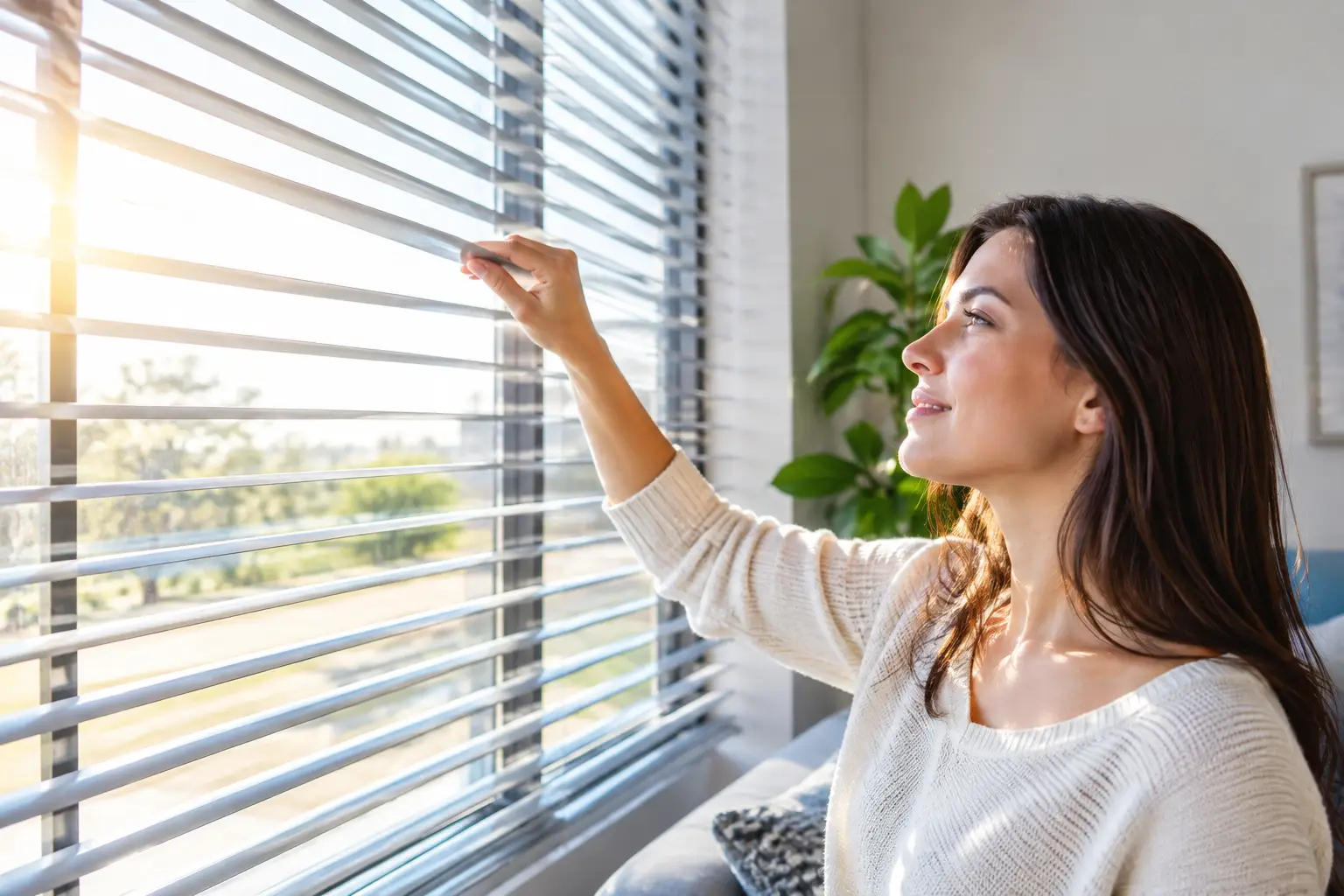
Venetian blinds can also work well in bedrooms when adjustable light control is more important than blackout performance. Tilting the slats lets you bring in daylight while keeping a degree of privacy.
Kitchens and bathrooms
These rooms benefit from coverings that are practical as well as smart. Roller blinds are neat, simple to use, and available in finishes suited to busy spaces. Venetian blinds are another dependable option, giving flexible control over light and privacy without taking up much room.
The key consideration is where the blind will sit. A window behind a sink, close to a cooker, or above a tiled splashback may need a fitting approach that keeps operation straightforward and cleaning manageable.
Living rooms, dining rooms, and bay windows
Living spaces often call for a softer finish and a way to manage glare without shutting out the day. Vertical blinds suit larger windows and patio doors particularly well, while wooden blinds bring warmth and a more defined look to a room. Venetians offer a clean, adaptable finish in both modern and traditional interiors.
Bay windows need careful measuring because each section is different. The blind choice must account for the angles, recess depth, and how the individual windows open. A home visit helps avoid the common problem of blinds that crowd each other or leave awkward-looking spaces at the corners.
Conservatories, garden rooms, and roof windows
Bright rooms are enjoyable until the sun makes them too hot, too glaring, or difficult to use. Perfect Fit blinds are a practical option for many uPVC windows and doors because they fit neatly within the frame, without drilling into it. They move with the door or window, which is useful where regular access is needed.
Velux blinds are designed for roof windows and can help control light in loft rooms, extensions, and converted spaces. The correct product depends on the window type and whether you need blackout, heat reduction, privacy, or everyday light filtering. A measure taken on site makes sure the blind suits the actual window rather than relying on a guess from a label.
The benefit of a professional measure and fitting
Measuring a window sounds simple until the details start to matter. Should the blind sit inside the recess or cover it? Is the recess deep enough? Are there handles, alarm sensors, tiles, or uneven walls to work around? Will the blind be mounted to the ceiling, wall, frame, or door?
A professional consultation takes those questions off your hands. You can look at samples in your own light, compare colors against your walls and furnishings, and talk through how each room is used. This is often far more helpful than trying to judge a small swatch under store lighting.
The measuring visit should also lead to clear pricing before work goes ahead. Once you have chosen your blind style, material, and finish, you know what is being ordered and can schedule installation around your routine.
At fitting, a careful installer checks that every blind is level, secure, and operating correctly. They can also show you how to use it and explain simple cleaning and maintenance. That service matters with larger installations, difficult windows, and homes where you want the job completed cleanly without spending a weekend on DIY adjustments.
What to consider before you choose
Start with the main purpose of the blind. Privacy, darkness, glare reduction, insulation, child-friendly operation, and decorative finish can all be priorities, but one product may not be the best at every one of them. Being clear about the room’s day-to-day use makes the choice easier.
Color is another practical decision. Pale shades can keep a room feeling open, while deeper tones create more contrast and can be useful where stronger light reduction is wanted. Wood finishes add texture, but they may not be the first choice in areas with frequent moisture. Fabric rollers can soften a room, while aluminum Venetians offer a crisp, easy-care look.
Think about operation as well. A blind you open several times each day needs to be convenient and reliable. For difficult-to-reach windows, mechanical options can make operation much easier. For doors, a design that moves with the frame may be more suitable than one that stays fixed above it.
Finally, consider the long term. Quality materials, insured fitting, and a full guarantee provide reassurance that the finished installation is made to last. The cheapest initial option is not always the best value if it needs replacing quickly or does not perform as expected.
A straightforward route to better-fitted blinds
With Premier Welsh Blinds, the process is designed to be simple: arrange an in-home consultation, receive a free measure and estimate, choose the style that suits your room, then book a convenient fitting date. You do not need to arrive with every answer. A local specialist can help narrow down the options and handle the details from start to finish.
Whether you are refreshing one bedroom or fitting out a full property, make your decision in the room where the blind will live. Seeing the samples against your windows, in your own daylight, is the most reliable way to choose a finish you will still be happy to see every morning.