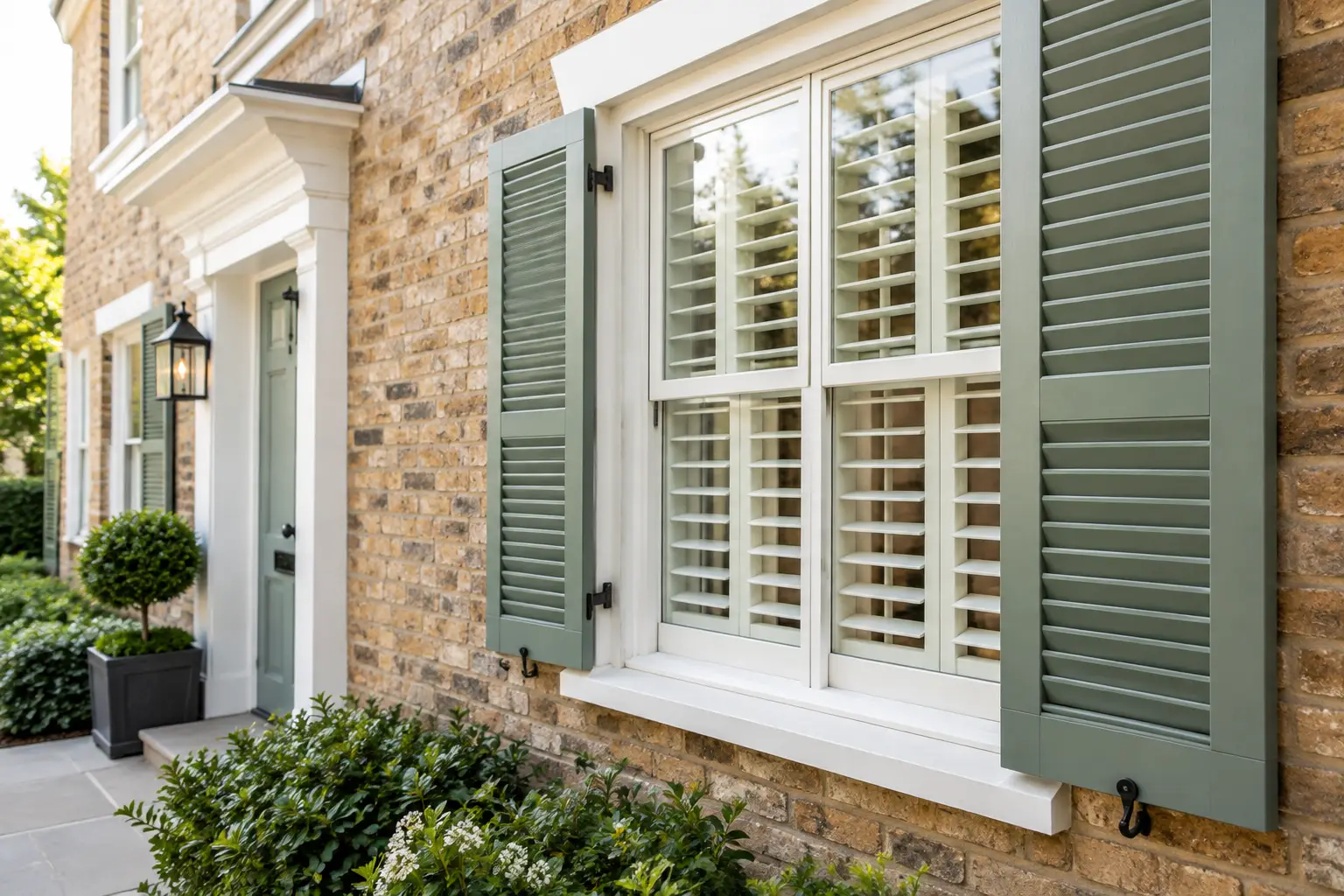
A kitchen window that catches the morning sun needs a different solution from a quiet bedroom or a bay window in the lounge. That is why the choice between Venetian blinds versus wooden blinds is not simply about which one looks best in a sample book. It is about how the room is used, how much moisture it sees, the level of privacy you need and how much day-to-day care suits your household.
Both styles use horizontal slats that can be tilted to direct light and protect privacy without shutting a room into darkness. Both can be made to measure for a neat, reliable fit. The difference is in the material, finish and practical demands – and those details can make one the much better choice for your home.
Venetian Blinds Versus Wooden Blinds: The Main Difference
Venetian blinds are usually made from aluminium. Their slim slats create a clean, contemporary appearance and offer precise control over light. They are available in a wide range of colours, from understated white and soft grey to stronger shades that make a feature of the window.
Wooden blinds use natural timber slats, giving a warmer, more substantial look. They are particularly popular where homeowners want to soften a modern room, complement timber furniture or add character to a traditional property. Wooden blinds are often finished with coordinating tapes or cords, allowing the final look to feel carefully considered rather than purely functional.
Neither is automatically the better option. Aluminium Venetian blinds tend to be the practical choice for humid, hard-working spaces. Wooden blinds usually win where warmth, texture and a more premium decorative finish matter most.
Light Control and Privacy
The adjustable slats on both products give you more flexibility than a fixed window covering. Tilt them upwards to reduce glare while still allowing daylight in, close them for greater privacy, or raise the blind fully when you want an open view.
Venetian blinds generally offer particularly sharp light control because their slats are slim and lightweight. This can be useful in a home office, kitchen or dining area where sunlight moves across the room during the day. The right tilt can reduce glare on a screen without making the room feel closed off.
Wooden blinds provide the same basic control but create a softer effect as light filters between the wider natural slats. They can be an excellent choice for lounges, bedrooms and bay windows where the appearance of the blind is as important as its practical role. Keep in mind that wider slats may leave slightly more visible gaps when tilted than narrower aluminium ones, depending on the position and the product specification.
If blackout is essential, neither standard Venetian nor standard wooden blinds will usually give the near-total darkness of a dedicated blackout solution. They can reduce light very effectively, but some light will naturally pass around the sides and between slats. For bedrooms, particularly those used by light sleepers, it is worth discussing the level of darkness you genuinely need during a consultation.
Which Rooms Suit Each Style?
Kitchens, bathrooms and utility spaces
Aluminium Venetian blinds are the safer choice for rooms with regular humidity, splashes or condensation. Aluminium does not absorb moisture, and the slats can be wiped clean quickly. This makes them well suited to kitchen windows near a sink, bathrooms with steamy showers and utility rooms that work hard every day.
Wood is less forgiving in damp conditions. Repeated exposure to moisture can eventually affect the finish or cause slats to warp. A wooden blind may look beautiful in a large, well-ventilated kitchen away from wet areas, but it is not normally the first recommendation for a bathroom.
Lounges, dining rooms and bedrooms
Wooden blinds come into their own in dry living spaces. Their grain and depth bring warmth to a room, while the horizontal lines can make a window feel more defined and polished. They work especially well on larger windows and bays, where the material has room to make an impact.
Venetian blinds can also look smart in these rooms, particularly in contemporary homes or spaces with a simpler colour scheme. White, silver, anthracite and black aluminium finishes offer a crisp look that does not compete with the rest of the room. They are often a good option when you want effective light control on a sensible budget.
Conservatories and garden rooms
The right choice depends on heat, sunlight and ventilation. Venetian blinds cope well with changing temperatures and can help manage bright glare when fitted accurately. Wooden blinds can add welcome warmth and character, but a room that becomes very hot, very cold or humid through the year may be better served by a moisture-resistant option.
A free in-home measure is useful here. The direction the room faces, the size of the glazing and where the doors open all affect which blind will be practical to use.
Style, Colour and the Feel of the Room
Wooden blinds have a strong visual presence. Natural wood finishes can make a neutral room feel warmer, while painted finishes in white, grey or black offer a more tailored appearance. They suit homeowners looking for a substantial finish that feels at home alongside timber flooring, painted joinery or classic furniture.
Venetian blinds are lighter in appearance and more adaptable where colour matters. A pale finish can keep a compact room feeling open; a darker finish can frame the window and add contrast. Their streamlined profile also makes them a sensible choice when you do not want the window treatment to dominate the room.
It is worth viewing samples in the actual room rather than choosing under showroom lighting alone. Natural daylight can change the apparent tone of white, grey and wood-effect finishes considerably. The colour of window frames, walls and nearby furniture will also influence the final result.
Cleaning and Everyday Maintenance
The most practical blind is often the one you will be happy to look after. Aluminium Venetian blinds are straightforward: close the slats, dust them regularly with a soft cloth or blind cleaner, then wipe with a lightly damp cloth where needed. They are useful in busy family homes because marks and cooking residue can usually be dealt with quickly.
Wooden blinds need a gentler approach. Regular dusting helps preserve their finish, but excessive water should be avoided. Use a dry or only slightly damp soft cloth, and dry any affected areas promptly. With sensible care in the right room, wooden blinds can remain attractive for many years.
For either style, lift and tilt the blind using the controls as intended rather than pulling on individual slats. This protects the mechanism and helps the blind continue to operate smoothly.
Weight, Window Access and Fitting
Wooden blinds are heavier than aluminium Venetians, especially across wide windows. This does not make them unsuitable for large openings, but it makes accurate measuring, appropriate brackets and professional fitting more important. A made-to-measure blind should sit correctly, raise evenly and allow sensible access to handles and opening windows.
Venetian blinds are lightweight, which can be advantageous on smaller windows and in rooms where the blind will be raised and lowered often. Their slim slats also take up less visual space when the blind is open.
The details matter around inward-opening windows, French doors, bi-folding doors and window recesses with limited depth. Measuring only the glass or estimating from an old blind can lead to gaps, awkward operation or a fitting that interferes with handles. A proper survey considers the recess, the fixing surface, obstructions and how you use the window every day.
Cost: Look Beyond the Initial Price
Venetian blinds are often the more budget-friendly route, particularly for several windows across a home. Their material and lighter construction can make them a cost-effective way to achieve privacy and adjustable light control without compromising on a tidy, made-to-measure appearance.
Wooden blinds usually cost more because of the material, weight and decorative finish. For many homeowners, that additional outlay is worthwhile in a main living space where the blind is a noticeable part of the room. It may be less worthwhile in a bathroom or utility room where moisture resistance and easy cleaning should take priority.
The fairest comparison is between fitted, made-to-measure products of an appropriate quality. A low initial price can be less appealing if the fit is poor, the controls are difficult to use or the blind needs replacing sooner than expected.
Making the Right Choice for Your Home
Choose Venetian blinds if you want a practical, easy-clean option for a kitchen, bathroom, office or utility space; a wide choice of contemporary colours; or precise glare control at a sensible cost. Choose wooden blinds if you are furnishing a dry lounge, bedroom, dining room or bay window and want warmth, texture and a more substantial finish.
For many homes, the best answer is not one style throughout. Aluminium Venetians can handle the damp, busy rooms, while wooden blinds create a more refined look in the spaces where you relax and entertain. Matching the blind to the room is usually more successful than forcing one material into every window.
Premier Welsh Blinds can measure your windows, show you suitable samples in your own light and explain the options clearly before fitting your chosen blinds cleanly and securely. A short consultation can turn a difficult choice into one that feels right every time you adjust the slats.