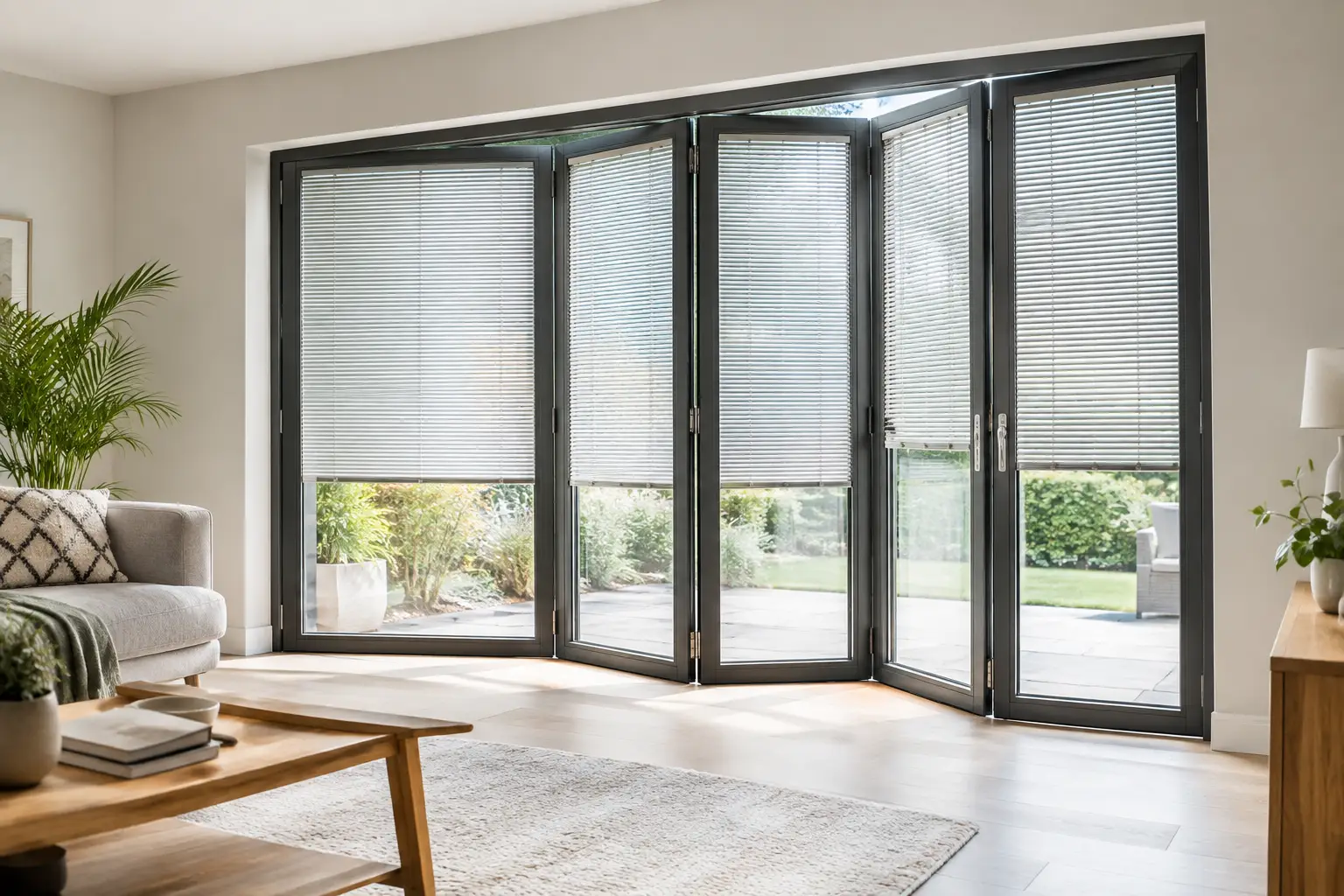
A high landing window can look impressive until the afternoon sun is shining straight through it and there is no practical way to adjust the blind. The same applies to roof windows above a stairwell, glazed extensions, conservatories and windows positioned behind furniture. Motorised blinds for hard to reach windows put light, privacy and shade within easy reach, without climbing, stretching or relying on a pole.
For many homes, the biggest benefit is not the technology itself. It is being able to use every window covering properly, every day. At the press of a button, you can reduce glare, create privacy after dark or help keep a bright room more comfortable.
Why difficult windows need a different approach
A standard manual blind is often a good choice for an accessible window. But when a window is high above floor level or sits in an awkward position, manual operation can become inconvenient. A blind that is difficult to reach may simply be left in one position, which limits its value.
Motorisation replaces cords, chains and manual pulling with a discreet powered system. Depending on the blind and location, it can be operated by a wall-mounted control, handheld remote or compatible smart control. The result is straightforward: you choose when to let light in and when to block it out, from a safe and comfortable position.
This can make a noticeable difference in rooms with large areas of glass. Strong sunlight can create glare on televisions and screens, fade furnishings over time and make a room feel warmer than it needs to. In bedrooms, a well-chosen blackout blind can support a darker sleeping environment. In living areas and kitchens, adjustable shading lets you enjoy the daylight without feeling exposed or dazzled.
Where motorised blinds work especially well
Motorised operation is particularly useful where safe access is difficult, but it can also improve the day-to-day use of ordinary rooms. Roof windows and Velux-style windows are an obvious example, especially in loft conversions and upper-floor bedrooms. A motorised blind means you do not need to stand on furniture or keep a pole nearby to operate it.
They are also a practical option for tall entrance hall windows, stairwell glazing and feature windows above a landing. These areas can be difficult to measure and fit accurately, which is one reason professional advice is worthwhile.
In conservatories, garden rooms and extensions, several windows may need adjusting at once as the sun moves around the property. Motorised roller blinds can make this much simpler, particularly where individual windows are tall or set behind dining tables and sofas. For commercial spaces, such as offices with high glazing, powered blinds can help staff manage glare without interrupting the working day.
Choosing the right motorised blind for the window
The best system depends on the window shape, the room and what you need the blind to achieve. There is no single option that suits every high or awkwardly positioned window.
Roller blinds for clean, practical shading
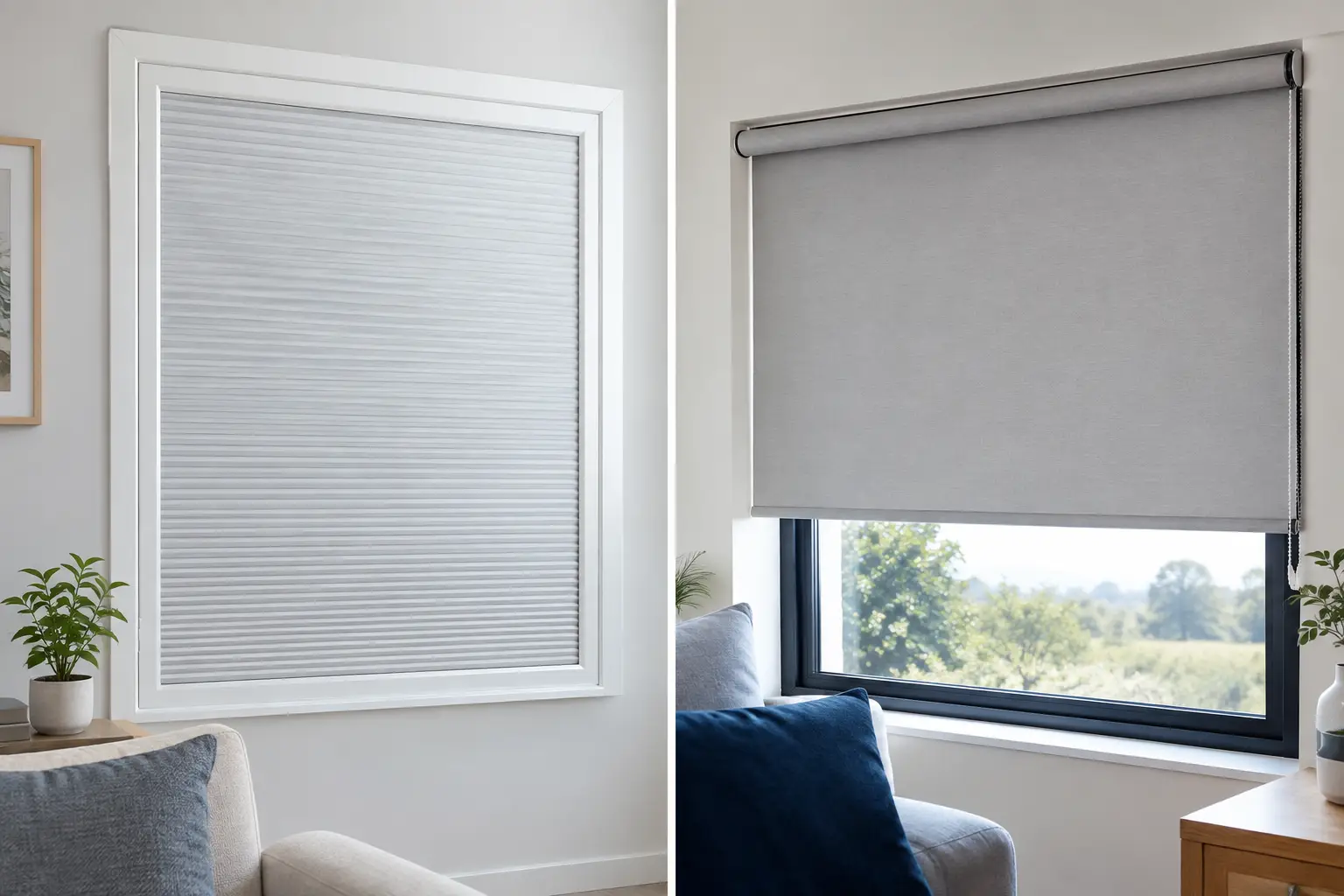
Motorised roller blinds are a popular choice for wide and tall windows. Their neat appearance works well in modern homes, kitchens, offices and glazed extensions. They are available in a wide choice of fabrics, from light-filtering materials that soften daylight to blackout fabrics for bedrooms and media rooms.
Fabric selection matters as much as the motor. A pale, light-filtering fabric may reduce glare while keeping the room bright, whereas a blackout option is designed for stronger light control. The right choice depends on how the room is used and the direction the window faces.
Motorised blinds for roof windows
Roof windows need a system designed for their angle and frame. A properly fitted roof-window blind stays tensioned and operates smoothly, rather than hanging away from the glass. This makes it suitable for loft rooms, converted attics and areas where direct sunlight enters from above.
Blackout fabrics are often requested for roof-window bedrooms, while softer filtering fabrics can be better for workspaces or living spaces. The key is to match the blind to both the window type and your intended level of light control.
Venetian and other adjustable options
Where you want more precise control over daylight and privacy, adjustable slats can be a useful alternative. Tilting the slats changes the direction of the light without necessarily closing the blind fully. However, the suitability of any product will depend on the window size, its location and the available fixing points.
A home consultation is useful here because it avoids choosing purely by appearance. A blind can look ideal in a photograph but be less suitable for a very wide window, a recess with limited depth or a roof window with a specific frame design.
Power options: battery, mains or solar
The power source is one of the first practical decisions to make. Battery-powered motorised blinds are often a convenient choice where running a cable would be disruptive. They provide a tidy finish and can be ideal for many existing homes. Batteries will need recharging or replacing eventually, but usage and blind size affect how often this is required.
Mains-powered systems can be a strong option during a renovation, extension or new build, particularly when electrical work is already planned. They avoid battery charging, but wiring needs to be considered early and completed safely.
For some roof-window applications, solar-powered options may be available. These can be particularly useful where a suitable window receives enough daylight and access to mains power is limited. A professional survey can establish which power option is realistic for your window, rather than leaving you with an awkward compromise after fitting.
Controls that suit everyday life
A remote control is simple and familiar, making it a good choice for most households. You can control one blind at a time or group several blinds together, which is helpful in a conservatory or room with multiple high windows.
Wall controls provide a fixed, easy-to-find point of operation. Smart controls can add timed opening and closing, scene settings and control from a phone, depending on the system selected. Timers can be useful for bedrooms, while scheduled shading may help manage strong morning or late-afternoon sun.
More features are not always better. If you simply want to close a roof-window blind from the bed or sofa, a reliable remote may be all you need. If several blinds need to move together at set times, smart scheduling could be worth considering. The most suitable option is the one that feels easy for everyone in the household to use.
Why measuring and fitting matter
Hard-to-reach windows leave little room for error. Measurements must account for the exact width and drop, the depth of the recess, the opening direction of the window and where brackets can be securely fitted. For roof windows, the model and frame details are also important.
Professional fitting is about more than getting the size right. The installer needs to ensure the blind runs smoothly, the motor is correctly positioned, controls are paired and the finished installation looks neat from every angle. They should also show you how to operate the system and explain any charging or care requirements before the job is complete.
At Premier Welsh Blinds, the process begins with a free measure and discussion in your home. This gives you the chance to see suitable options, compare fabrics and receive clear guidance based on the actual window rather than a guess from a catalogue. Once your choice is confirmed, the blind is made to measure and fitted carefully, with a tidy finish and full operating guidance.
A practical investment in comfort and safety
Motorised blinds do cost more than an equivalent manual system, and the difference will vary with the blind type, fabric, size and controls. For an easily reached small window, manual operation may remain the sensible choice. But for high, wide or inaccessible glazing, motorisation can turn a blind from an occasional inconvenience into a useful part of the room.
It also removes the temptation to use stools, ladders or furniture to reach a control. That added safety and convenience is often what makes the investment worthwhile, particularly in homes where the blinds will be adjusted frequently.
If a window is hard to reach, it should not be hard to live with. A made-to-measure motorised blind gives you control over the light and privacy in the moments that matter, while keeping the finished room calm, practical and easy to enjoy.