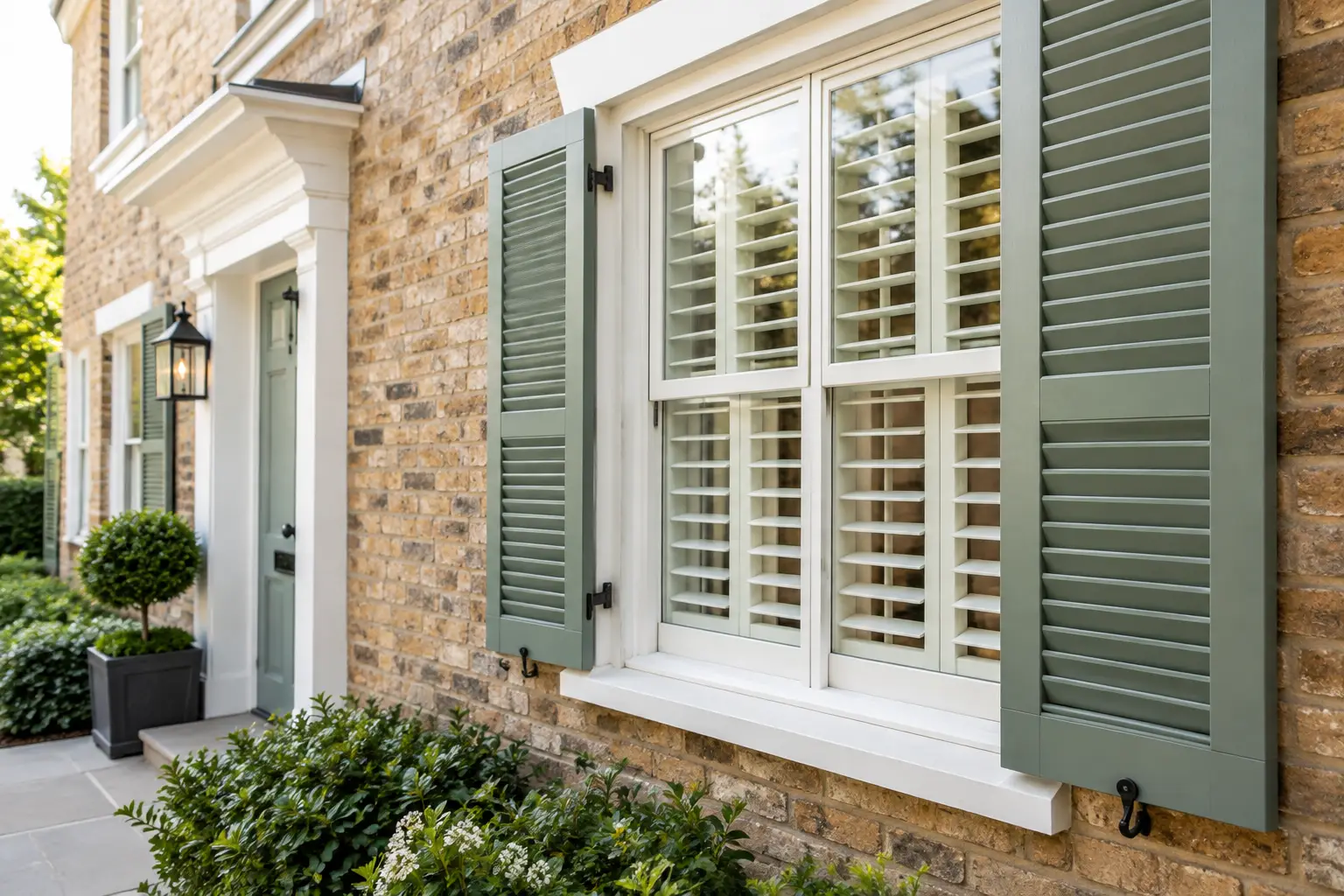
A bay window is often the feature that makes a room feel special – until glare, overlooked glass or awkwardly fitted window coverings take attention away from it. Plantation shutters for bay windows are designed to follow the shape of the window, giving each section a clean, purposeful finish while keeping day-to-day light and privacy under your control.
The difference is in the fit. Bay windows rarely have identical angles or perfectly standard dimensions, particularly in older homes across South Wales. A made-to-measure shutter installation accounts for the width, depth and angle of every section, so the finished result looks balanced rather than forced into place.
Why plantation shutters suit bay windows so well
Bay windows bring in generous natural light and create a sense of space, but they can also leave a room exposed. Shutters give you control without hiding the character of the window. The louvres can be tilted to soften direct sunshine, reduce glare on screens and protect privacy from the street, while still allowing daylight into the room.
Unlike a single covering stretched across the front of the bay, shutters are fitted panel by panel. This means the shape remains visible and the individual windows can usually be used as intended. In a living room, that can make the bay feel like a considered feature rather than an area that needs managing.
They also offer a more structured, long-lasting look. The frame sits neatly around the window recess or along the bay, and the panels are made to match the layout. When closed, they create a smart, uniform appearance from both inside and outside the property.
The most suitable shutter styles for a bay
The right style depends on how you use the room, where the bay faces and whether privacy or light control is the main concern. During a home consultation, it helps to look at the window at the time of day when sunlight or overlooking is most noticeable.
Full-height shutters
Full-height shutters cover the whole window from top to bottom. They are a popular choice for front lounges, dining rooms and bedrooms because they provide complete coverage and a strong, tidy finish. A divider rail can be added so the top and bottom louvres operate separately. This is particularly useful in a bay window: the lower section can remain closed for privacy while the upper louvres are angled to bring in light.
Tier-on-tier shutters
Tier-on-tier shutters have independently opening top and bottom panels. They offer the greatest flexibility, especially where a bay window faces a pavement, neighbouring property or busy road. You can open the top panels for daylight and fresh air while keeping the bottom panels in place.
This style has more panels and hardware than a simpler design, so it can be a higher investment. For homeowners who need regular privacy without making the room feel closed in, the extra control is often worthwhile.
Café-style shutters
Café-style shutters cover the lower part of the window only. They work well where privacy is needed at eye level but you want to keep the top of the bay completely open. They are often chosen for rooms that receive good daylight or have an attractive outlook.
The trade-off is that they do not provide full coverage after dark. If the bay is directly overlooked and evening privacy matters, full-height or tier-on-tier panels will normally be the more practical choice.
Getting the angles right matters
A bay window may be square, angled or gently curved. Even two bays that look similar can differ in projection, frame depth and the angle between each window. This is why accurate measuring is not a small detail – it determines whether shutter panels open freely, sit neatly together and follow the bay without unsightly gaps.
A professional survey considers more than the overall width. It checks the sill, handles, opening direction, recess depth and any features that could affect fitting. The angles are measured carefully so the frames meet correctly at each corner. This avoids the common DIY problem of panels catching, leaving uneven spacing or sitting too far forward from the glass.
At Premier Welsh Blinds, the process starts with an in-home consultation and free measuring appointment. You can see suitable options in the room itself, discuss the finish you want and receive clear guidance before making a decision. Once your shutters are made, they are fitted carefully, with the area left clean and the operation explained before the job is complete.
Choosing louvre size, colour and material
Louvre size has a real effect on the finished appearance. Larger louvres give a cleaner, more open view when tilted and can suit bigger bays or rooms with a contemporary feel. Smaller louvres create a more detailed look and may feel better proportioned in a compact bay. There is no single best option – it comes down to the scale of the window and the look you prefer.
White and soft neutral finishes remain popular because they reflect light and work easily with changing décor. A warmer tone can complement timber flooring or traditional interiors, while a darker shade can create a stronger focal point. Looking at samples in your own room is valuable, as natural daylight can change how a colour appears throughout the day.
Material should also suit the room. For a lounge or bedroom, a quality shutter finish can bring warmth and refinement. In kitchens, bathrooms or rooms with regular moisture, a moisture-resistant option is generally the sensible choice. It is easier to maintain and better suited to changes in humidity.
Everyday benefits beyond appearance
Shutters can help make a bay window more comfortable in every season. When the louvres are closed, they add an extra layer at the glass, which can help reduce the feeling of draughts and limit harsh sunlight. They will not replace proper insulation or modern glazing, but they can make a noticeable difference to comfort around a large window.
They are also straightforward to look after. A regular dust with a soft cloth, duster or vacuum brush attachment is usually enough to keep louvres fresh. For marks, use a lightly damp cloth and follow the care advice provided for the specific material. Avoid soaking the panels or using abrasive cleaners, as these can damage the finish.
For families, shutters have another practical advantage: there are no loose operating cords hanging across the window area. The louvres are adjusted directly, giving the bay a clean, uncluttered look that is easy to use every day.
Planning your installation with confidence
Before booking, think about what you want the shutters to solve. Is the main issue morning sun, a lack of privacy, glare on a television or simply finishing a newly decorated room? Bringing these priorities to the consultation makes it easier to select the right layout rather than choosing on appearance alone.
It is also worth considering access around the bay. Furniture may need to be moved slightly on fitting day so the installer can work safely and achieve a precise result. A professional fitting team will explain what is needed in advance and work efficiently to keep disruption to a minimum.
Made-to-measure plantation shutters for bay windows are not an off-the-shelf purchase, and that is their strength. When every panel is designed around your own window, the bay retains its character while becoming easier to enjoy from morning through to night. A measured consultation is the simplest way to see what will work in your home and make a choice you will be happy to live with for years.