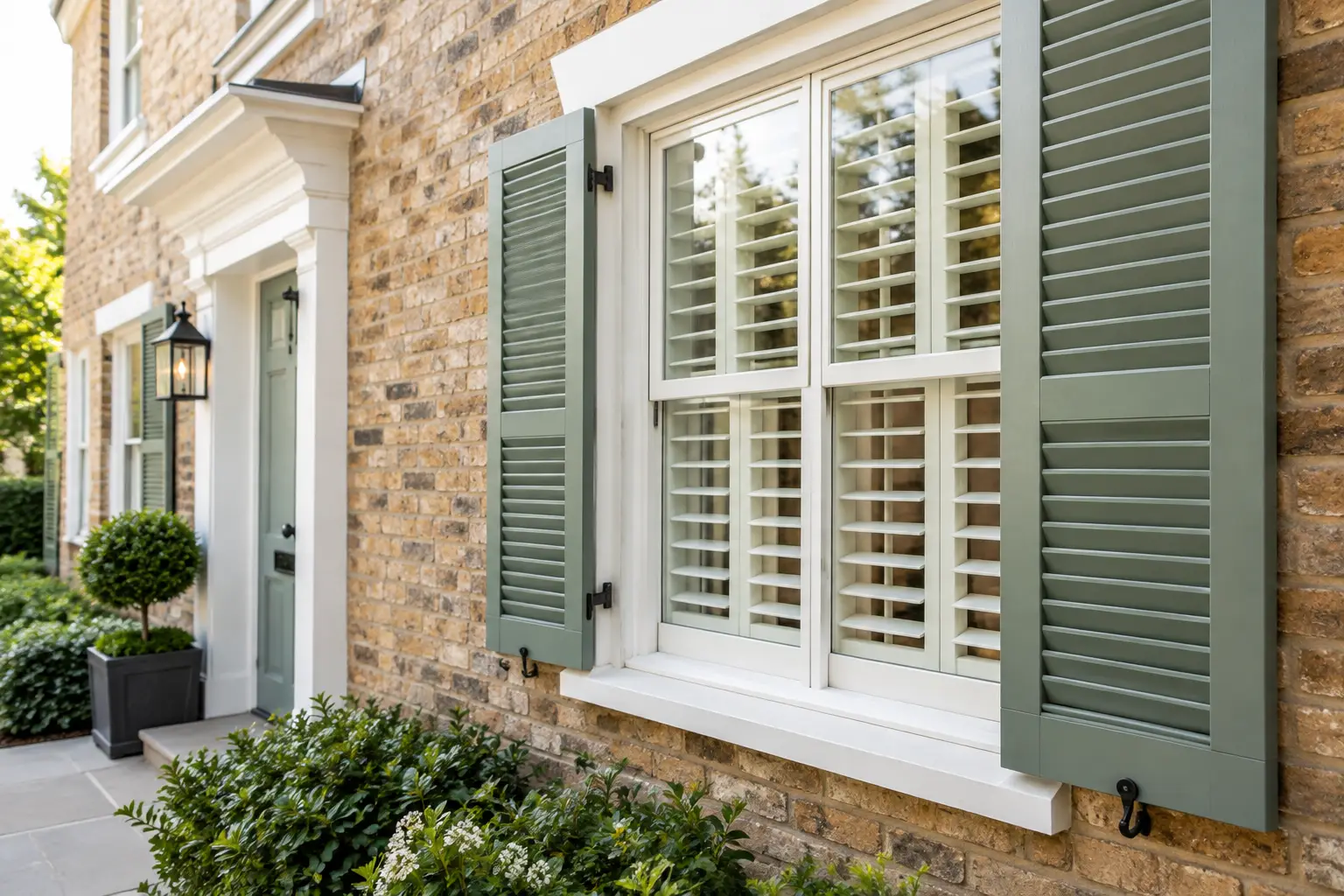
A bright bay window can be one of the best features in a home, but it can also leave a room feeling exposed, overly warm in direct sun or difficult to settle into at night. Window shutters offer a smart, made-to-measure way to manage those everyday issues while giving the room a clean, lasting finish. They are designed around your windows, your preferred level of privacy and how you use the space.
Unlike a one-size product, professionally measured shutters are fitted to the shape and size of each opening. That matters in period properties with uneven frames, modern homes with wide glazed areas, and rooms where a neat finish is just as important as practical light control.
Why window shutters suit so many homes
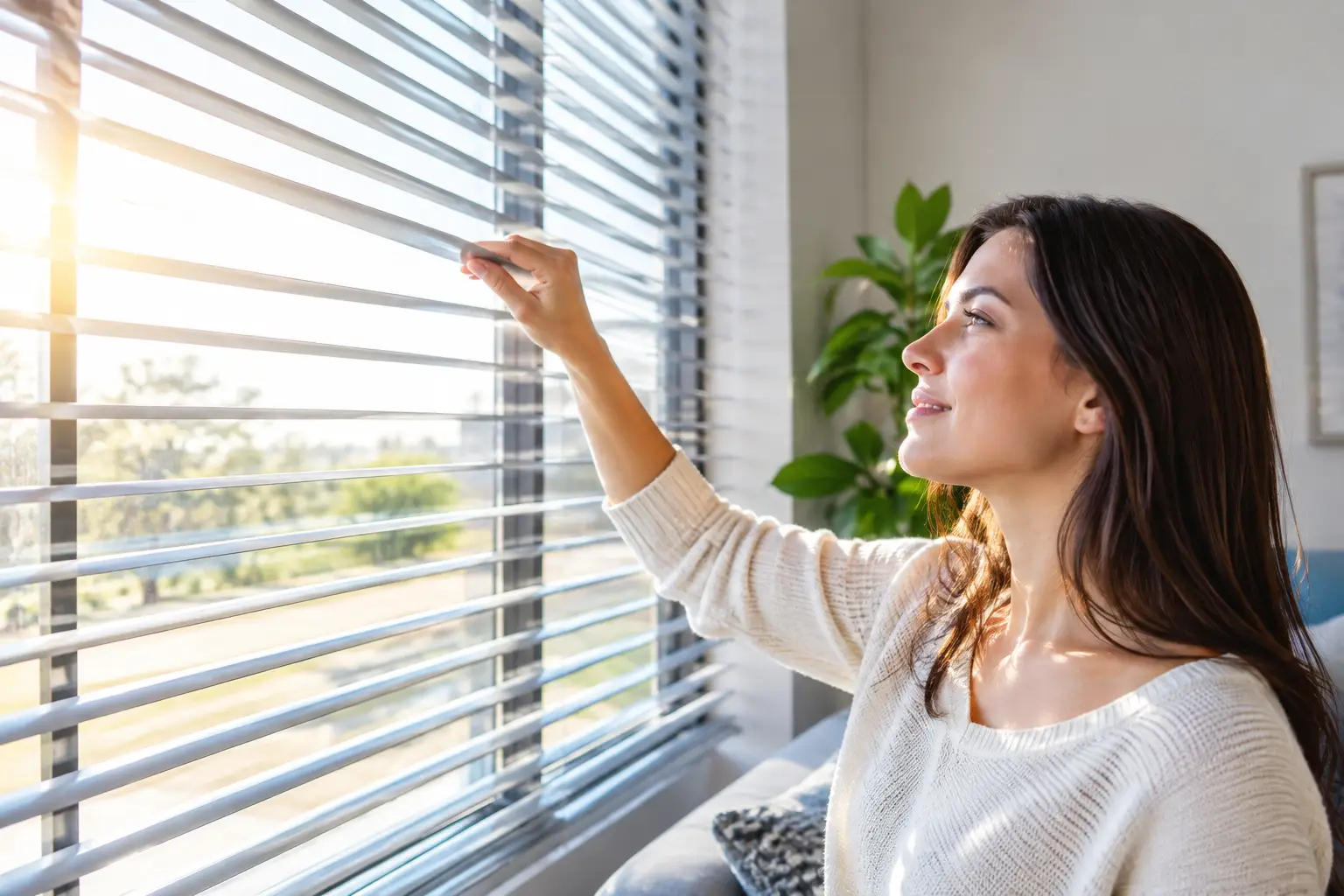
Shutters have adjustable louvres that can be tilted to let daylight in while reducing direct glare and limiting views into the room. Open them fully when you want clear light and an open outlook, or close them for more privacy and shade. This control is useful in living rooms facing the street, bedrooms, home offices and rooms with large south-facing windows.
They also create a more permanent, tailored appearance than temporary window coverings. The panels sit within a frame, so the finished result looks intentional rather than added as an afterthought. With a choice of colours, louvre widths and panel layouts, shutters can suit everything from a traditional bay to a contemporary kitchen extension.
There can be practical benefits too. A fitted shutter adds another layer at the window, which may help a room feel more comfortable when it is cooler outside. The level of insulation will depend on the window itself, the shutter material and how the shutters are configured, so it should be seen as a helpful benefit rather than a replacement for efficient glazing.
Choosing window shutters that work for the room
The best choice starts with how the room is used. It is easy to focus only on colour, but the opening style, desired privacy and amount of daily use should guide the decision first.
Think about privacy and light at the same time
For a front-facing lounge or ground-floor room, adjustable louvres are particularly useful. You can angle them to bring in daylight while directing attention away from the inside of your home. In bedrooms, a more closed layout may be preferable for reduced early-morning light and a calmer feel.
Full-height shutters cover the whole window and offer excellent flexibility, often with separate sections that can be opened or tilted independently. Tier-on-tier shutters have top and bottom panels that work separately, making them a good option where privacy is needed at the lower part of the window but you still want daylight from above. Café-style shutters cover the lower section only and can be a lovely choice where the main priority is privacy without blocking the upper window.
Match the louvre size to the window
Louvre width changes both the appearance and the view out. Wider louvres can create a more open look when tilted back and tend to suit larger windows, doors and contemporary rooms. Smaller louvres can feel more detailed and are often well suited to compact windows or properties with more traditional features.
There is no single correct option. A free measuring appointment is useful because it allows the proportions of the actual window, sill and surrounding space to be considered rather than guessed from photographs.
Do not overlook the opening method
A shutter needs to work with the room, not get in the way of it. Windows that open inwards, areas near radiators, handles, deep sills and furniture placement can all affect the best panel arrangement. For French doors and other glazed doors, tracking or specially configured panels may be needed to keep access straightforward.
This is where made-to-measure fitting makes a real difference. Accurate measurements help panels open properly, line up neatly and leave the room feeling practical from day one.
Which shutter material is right for you?
Material should be chosen with the room environment in mind. Wooden shutters bring natural warmth and can be finished in a range of painted or stained looks. They are often a popular choice for living spaces, bedrooms and dining areas where appearance is the main focus.
For kitchens, bathrooms, utility rooms and other places where moisture is more likely, a waterproof or moisture-resistant shutter material is usually the more sensible option. It gives the same tidy, tailored look while being better suited to humidity and splashes. This is especially worth considering around bathroom windows, where day-to-day conditions are very different from those in a lounge.
Colour is another decision that deserves a little thought. Crisp white remains popular because it works with most interiors and reflects natural light well. Soft off-whites, greys and deeper painted shades can make the shutters feel more closely connected to your existing décor. A consultation lets you compare samples in your own light, which is far more reliable than choosing from a screen.
Made-to-measure shutters are worth planning properly
Shutters are a long-term addition to a home, so the measuring and fitting stages should not be rushed. Bay windows, angled frames, unusually sized panes and older properties can all need careful planning. Even a small measuring error can affect how panels align or close.
A professional service removes that uncertainty. The process should begin with a visit to discuss the look you want, assess the windows and take precise measurements. You can then receive a clear quotation based on the selected style and finish, rather than an estimate that changes later because key details were missed.
Once your choice is approved, the shutters are made for your windows and a fitting date is arranged. On installation day, a good fitter will work carefully, keep the area tidy and check that each panel opens, closes and tilts as it should. They should also show you how to use the shutters and answer any practical questions before they leave.
For homeowners in Neath, Swansea, Port Talbot, Bridgend and Ammanford, Premier Welsh Blinds provides this kind of straightforward service from free measuring through to professional, insured fitting.
Caring for your shutters after fitting
Shutters are refreshingly simple to look after. Regular dusting with a soft cloth or feather duster will keep louvres looking their best. For more thorough cleaning, use a lightly damp cloth where appropriate for the material, then dry the surface afterwards. Avoid abrasive products or soaking wooden finishes.
Every so often, open and close the panels fully and tilt the louvres through their range. This helps you become familiar with their movement and lets you spot anything that needs attention. Treat them gently rather than forcing a panel or louvre that has caught on an object nearby.
If you are choosing shutters for a busy family home, it is worth positioning furniture so there is enough room for panels to open comfortably. Small practical decisions like this protect the finish and make the shutters easier to enjoy every day.
A choice that should feel easy, not overwhelming
The right shutters will balance the way you want a room to look with the way you need it to function. Start with the window, consider privacy and light, then choose a style and material that suit the space. Seeing samples at home and having the windows measured professionally turns a potentially complicated choice into a clear one.
When the fitting is planned around your home, window shutters become less about covering glass and more about making each room feel comfortable, private and finished in a way that lasts.