A blind can look right on the day it is fitted, but the way it operates will shape how you use the room for years. When weighing up manual versus motorised blinds, the best choice is rarely about choosing the most advanced option. It is about the window, the room, who uses it and how often you want to adjust light and privacy.
For some homes, a simple chain or wand control is exactly what is needed. For others, especially rooms with awkward, high or multiple windows, motorised operation can make everyday living noticeably easier. A made-to-measure consultation is useful because the right answer often becomes clearer when the windows are measured and the room is considered properly.
Manual versus motorised blinds: the main difference
Manual blinds are operated directly by hand, usually using a chain, cord, wand or handle depending on the blind style. They are familiar, straightforward and available across a wide range of practical and decorative options. With the right fitting, they give reliable control over privacy and daylight without the need for power or charging.
Motorised blinds use a small motor to raise, lower, tilt or open the blind. They may be controlled by a remote, wall control or, in some cases, a compatible smart-home system. Power can come from a rechargeable battery, a mains connection or another suitable arrangement, depending on the product and window position.
The practical difference is not simply pressing a button instead of using a chain. Motorisation can make difficult-to-reach windows usable every day, allow several blinds to move together and remove the need to reach over furniture. Manual operation, meanwhile, keeps the mechanism simple and the upfront cost lower.
When manual blinds are the sensible choice
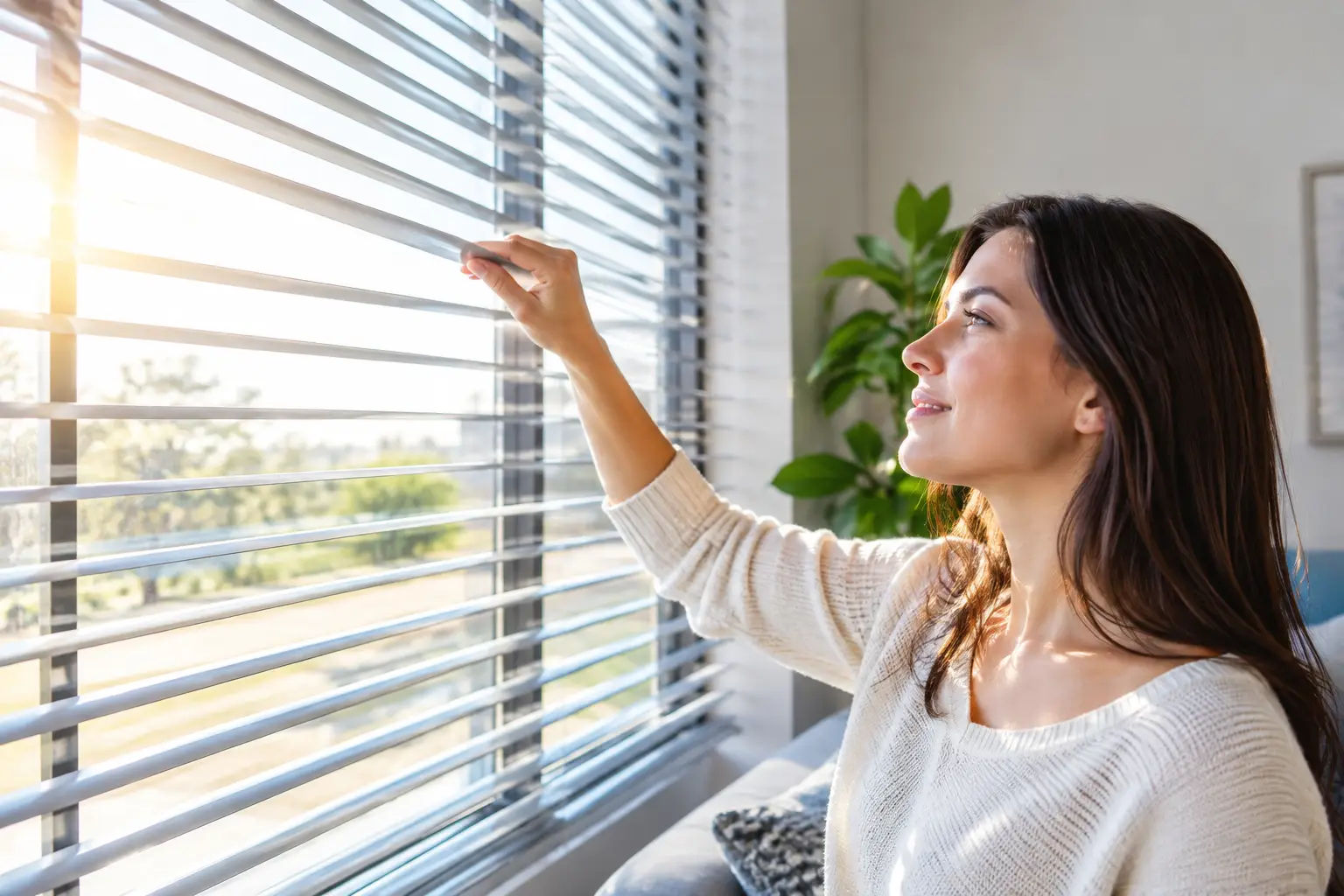
Manual blinds suit many windows extremely well. In bedrooms, living rooms, kitchens and home offices where the blind is easy to reach, a well-made manual system is often all that is required. You can make quick, precise adjustments throughout the day and there is no battery to recharge or electrical work to consider.
They are also a strong option when budget is a priority. The blind itself can still be fully tailored to the window, with the fabric, finish, colour and level of light control selected for the room. Choosing manual does not mean compromising on a neat, premium-looking result.
A manual option can be particularly practical for a single standard-sized window that is opened and adjusted occasionally. For example, a roller blind in a spare room or a Venetian blind in a study may not gain much from motorisation if it is within easy reach and has a simple daily routine.
That said, the operating method matters. Chains, wands and handles each work differently, and the best choice depends on the blind style and where it will be fitted. Homes with young children should always discuss suitable child-safety measures during the consultation. A professional fitter can position and secure controls appropriately while keeping the finished look tidy.
Where motorised blinds earn their place
Motorised blinds come into their own where manual operation is inconvenient. High stairwell windows, large glazed areas, conservatories, garden rooms and roof windows can be difficult to manage by hand. If reaching the blind means using a step stool, moving furniture or simply leaving it in one position because it is a hassle, a motor may be worth considering.
They are also useful for wide banks of windows. Rather than walking from one blind to the next each morning and evening, you can operate several together. That can make a real difference in a room with strong afternoon sun, particularly if glare affects a television, home workspace or dining area.
Motorised blackout blinds can be a helpful choice in bedrooms too. Lowering the blind from bed, or setting it to close at a regular time where the chosen system supports it, brings convenience without adding clutter around the window. For roof windows, motorised operation can be one of the easiest ways to make light control practical rather than occasional.
There is also a visual benefit in some spaces. Removing hanging operating controls can give large windows a cleaner appearance. This is not essential for every room, but it can be appealing where the glazing is a main feature of the space.
Consider power, charging and control before deciding
Motorised does require a little more planning. A battery-powered system may avoid the need for visible wiring and can suit many existing rooms well. However, batteries will need recharging or replacing at intervals, and access should be considered before installation. A blind positioned at the top of a tall window may be easy to operate remotely but less easy to recharge without planning for it.
Mains-powered systems can be an excellent long-term solution, particularly during a renovation, extension or new build, when electrical points can be planned in advance. They avoid regular charging but may involve more preparation and coordination. The neatest approach depends on the window layout and the stage of the project.
It is also worth being realistic about smart controls. They can be very useful when they solve a genuine daily problem, such as managing hard-to-reach blinds or a number of windows at once. If you simply want a blind that opens and closes reliably, a standard remote control may be all you need. There is no need to pay for features you will not use.
Think room by room, not house-wide
A common mistake is assuming every blind in the home should operate the same way. In reality, a mixed approach often makes the most sense. You might choose manual blinds for straightforward, accessible windows and motorised blinds for roof lights, bi-fold door areas or tall glazing.
In a kitchen, consider whether the control will remain easy to reach once appliances and furniture are in place. In a bathroom, privacy and moisture-suitable materials will be just as important as the operating method. In a home office, reducing glare quickly may matter more than automation. In a commercial setting, motorised blinds can help staff manage light across a large office or meeting room without interrupting the working day.
The type of blind also affects the decision. Venetian blinds can offer adjustable light control through tilted slats, while roller and vertical styles may be better suited to broad coverage or specific window shapes. Perfect Fit blinds can be a practical choice for certain doors and windows because they sit neatly within the frame and move with it. The best operating system should support how that particular blind is intended to work.
Cost is more than the initial price
Manual blinds usually cost less upfront because the mechanism is simpler. Motorised blinds involve the motor, controls and, where needed, power arrangements, so they are a larger investment. That does not automatically make them better value for every home.
Value comes from use. If a motorised blind allows you to control glare in a room you previously avoided at certain times of day, or makes a difficult roof window easy to manage, the convenience can justify the additional cost. If the blind is rarely adjusted and easy to reach, a manual system is likely to provide better value.
Professional measuring is especially important with motorised systems. Accurate sizing, secure fixing and careful consideration of the power source all help the blind operate as it should. The installation should also leave the room looking finished, with controls placed sensibly and any required charging or access explained clearly.
Make the choice easier with a proper consultation
The most useful starting point is not a product catalogue. It is looking at the actual room: how the sun moves across it, where furniture sits, whether the window opens inward, how often the blind will be used and who needs to operate it. These details can quickly show whether a manual control will be perfectly convenient or whether motorisation would remove a daily frustration.
At Premier Welsh Blinds, the measuring appointment is an opportunity to discuss those practical points before a quotation is prepared. You can compare suitable styles, see what will work with the window and choose an option that fits both the room and the budget. Once the decision is made, professional fitting and clear operating guidance help ensure the finished blind is simple to live with.
Choose the control method that you will genuinely enjoy using on an ordinary Tuesday morning. The right blind should make the room more comfortable without asking for more effort than it saves.