A bright south-facing room can feel completely different depending on how its windows are dressed. When homeowners weigh up shutters versus Venetian blinds, the best choice is rarely just about appearance. It comes down to how you use the room, the privacy you need, the amount of sunlight it receives and the finish you want to live with every day.
Both options give you adjustable slats, so you can soften glare without shutting out daylight altogether. However, they work differently, sit differently within the window and suit different budgets. A made-to-measure consultation helps turn those differences into a clear, practical decision.
Shutters versus Venetian blinds: the main difference
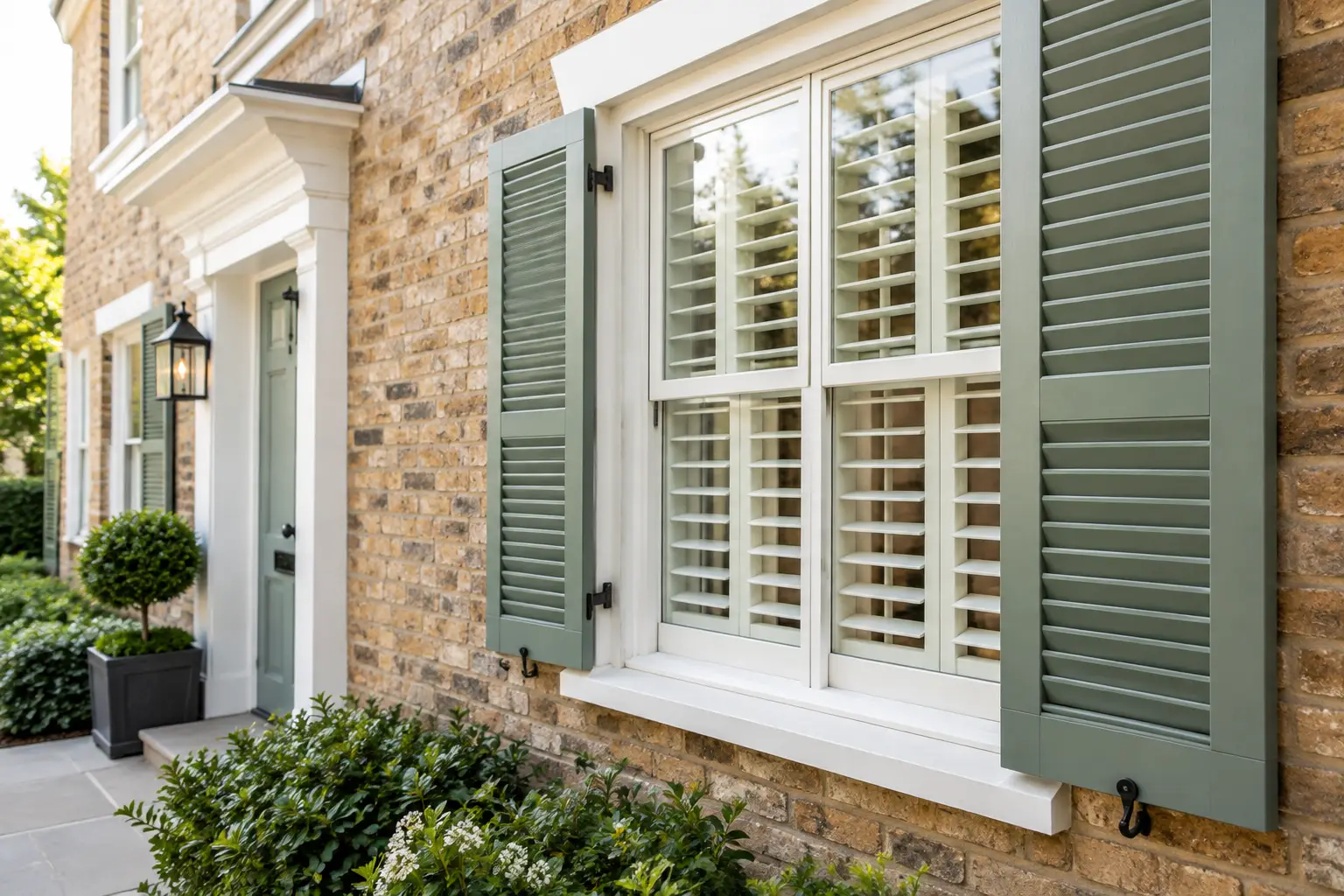
Shutters are solid, framed panels fitted to the window recess or frame. Their louvres can be tilted to direct light and improve privacy, while the panels can usually be opened fully when you want an unobstructed view. They become a permanent-looking part of the room and are often chosen for their clean, tailored finish.
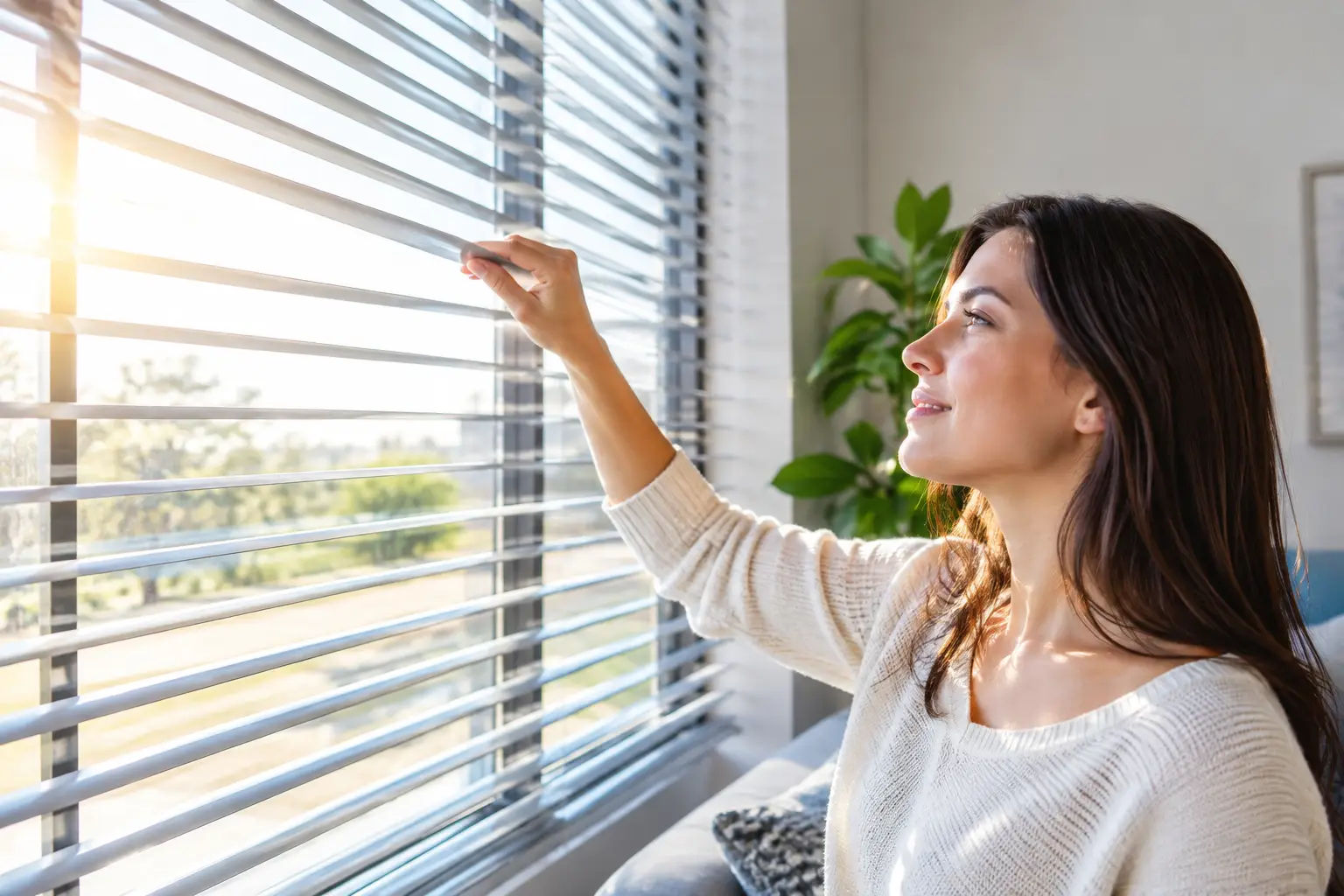
Venetian blinds are made from horizontal slats that lift and tilt using a control mechanism. They sit neatly inside or above the recess, depending on the window and fitting style. Aluminium Venetian blinds have a crisp, contemporary look and are especially practical where moisture is a consideration. Wooden Venetian blinds bring a warmer, more natural feel to living spaces and bedrooms.
In simple terms, shutters make more of a statement and feel built into the home. Venetian blinds are a flexible, smart-looking window covering with a lighter visual presence. Neither is automatically better – the right option depends on your priorities.
Light control and privacy
Both shutters and Venetian blinds allow you to angle the slats rather than simply having the window fully open or fully covered. This is useful in street-facing rooms, bathrooms, home offices and bedrooms where you want daylight without feeling exposed.
Shutters tend to offer a more substantial sense of privacy because of their fitted frame and wider louvres. By tilting the louvres upwards, you can let light bounce into the room while limiting views from outside. Tier-on-tier shutter styles can be particularly useful on ground-floor windows, as the lower section can remain closed for privacy while the upper section stays open.
Venetian blinds offer very precise day-to-day adjustment. A small change in the slat angle can reduce glare on a television or computer screen while keeping the room bright. They are an excellent choice for rooms where light levels change throughout the day, especially kitchens, offices and conservatories.
If blackout is your priority, it is worth being realistic. Standard shutters and standard Venetian blinds can darken a room considerably, but tiny gaps around slats and edges may still allow some light through. For bedrooms, a made-to-measure blackout-focused solution may be more appropriate, or it may be possible to combine the chosen style with another fitted option. The window shape, recess depth and how dark you need the room to be will all matter.
Appearance and the feel of the room
Shutters suit homeowners looking for a lasting, architectural finish. Their clean lines work well in period properties, new builds and modern renovations alike because they can be sized to the window rather than chosen from standard dimensions. They can make an awkwardly shaped bay, wide window or unusual recess look intentional and well finished.
Venetian blinds have more visible detail, with slim horizontal slats creating a lighter, more adaptable look. Aluminium versions can complement kitchens, bathrooms and contemporary spaces, while wooden slats can soften a lounge, dining room or bedroom. The slat width, colour and tape or cord finish all influence the final result.
There is also a practical visual point to consider. Shutters take up more of the window recess and remain visible even when their panels are open. Venetian blinds lift upwards, leaving more of the glass clear when you want the fullest possible view. In a room with a lovely garden outlook, this may influence your choice.
Cost and long-term value
Budget is often the clearest dividing line between shutters and Venetian blinds. Shutters generally cost more because they are a fitted panel system, tailored to the window and installed with a surrounding frame. Their material, style, number of panels and window shape will affect the quote.
Venetian blinds are usually the more cost-effective route to adjustable privacy and light control. That does not mean they need to look off-the-shelf. A professionally measured Venetian blind can be made to suit the exact width and drop of your window, with material and colour choices that fit the rest of the room.
The better value option is the one that meets your needs for the long term. If you are improving a room you plan to enjoy for years and want a distinctive fitted finish, shutters may justify the higher initial investment. If you are furnishing several rooms, updating a rental property or need practical light control within a defined budget, Venetian blinds can offer excellent results.
Cleaning and everyday upkeep
Shutters are straightforward to maintain. Their solid louvres and frames can usually be dusted with a soft cloth or cleaned with a lightly damp cloth, depending on the material. Because they are fixed in place, there are no hanging cords or stacked slats to manage.
Venetian blinds need a little more care because dust can settle on each individual slat. Regular light dusting makes the job quick, and tilting the slats in each direction helps reach both sides. In kitchens, wipeable aluminium Venetian blinds are often a sensible choice where cooking residue may be present.
Neither option should be chosen on cleaning alone, but it is worth considering who will use the room and how much day-to-day maintenance you are happy to do. A busy family kitchen and a quiet upstairs bedroom may not need the same solution.
Window types and rooms that influence the choice
The window itself can point you in the right direction. Shutters are particularly effective for bays, large front windows and windows with character, where a tailored frame can enhance the shape. They can also work well in bathrooms when a moisture-resistant material is selected.
Venetian blinds are highly versatile across standard windows and are often well suited to kitchens, offices, conservatories and rooms with changing light. Their compact operation can be helpful where a window recess is shallow or where you want the window covering to sit neatly out of the way when raised.
For doors, wide openings or windows that open inwards, the fitting details matter just as much as the product. This is where professional measuring is valuable. It avoids problems with handles, sills, opening clearance and uneven recesses that are easy to miss when buying by size alone.
Why made-to-measure fitting matters
A window covering can look impressive in a showroom but disappoint if it is not measured and fitted properly. Even small gaps can affect privacy, light control and the finished appearance. With shutters, accurate measuring is essential for panels that open and align correctly. With Venetian blinds, it ensures the slats sit level, operate smoothly and fit the available space cleanly.
A home consultation gives you the opportunity to see colours and materials in your own light, rather than making a decision under showroom lighting. It also allows practical questions to be answered before ordering: whether the window opens easily, whether the room needs more privacy, and which finish will suit the space best.
Premier Welsh Blinds provides free measuring, clear quotations and professional fitting for homeowners across Neath, Swansea, Port Talbot, Bridgend and Ammanford. The aim is to make the choice straightforward, then complete the installation neatly and on schedule.
Which should you choose?
Choose shutters if you want a distinctive fitted feature, strong everyday privacy and a finish that feels part of the home. They are especially appealing for prominent windows, bays and rooms where presentation matters as much as function.
Choose Venetian blinds if you want precise light adjustment, a broad choice of finishes and a more budget-conscious made-to-measure option. They are practical across many rooms and can be particularly effective in kitchens, bathrooms, offices and sun-filled spaces.
The most helpful next step is to view both at your own window. Once you can compare the materials, slat sizes and operation in the room itself, the right choice usually becomes much easier to see.